
Dear Liza,
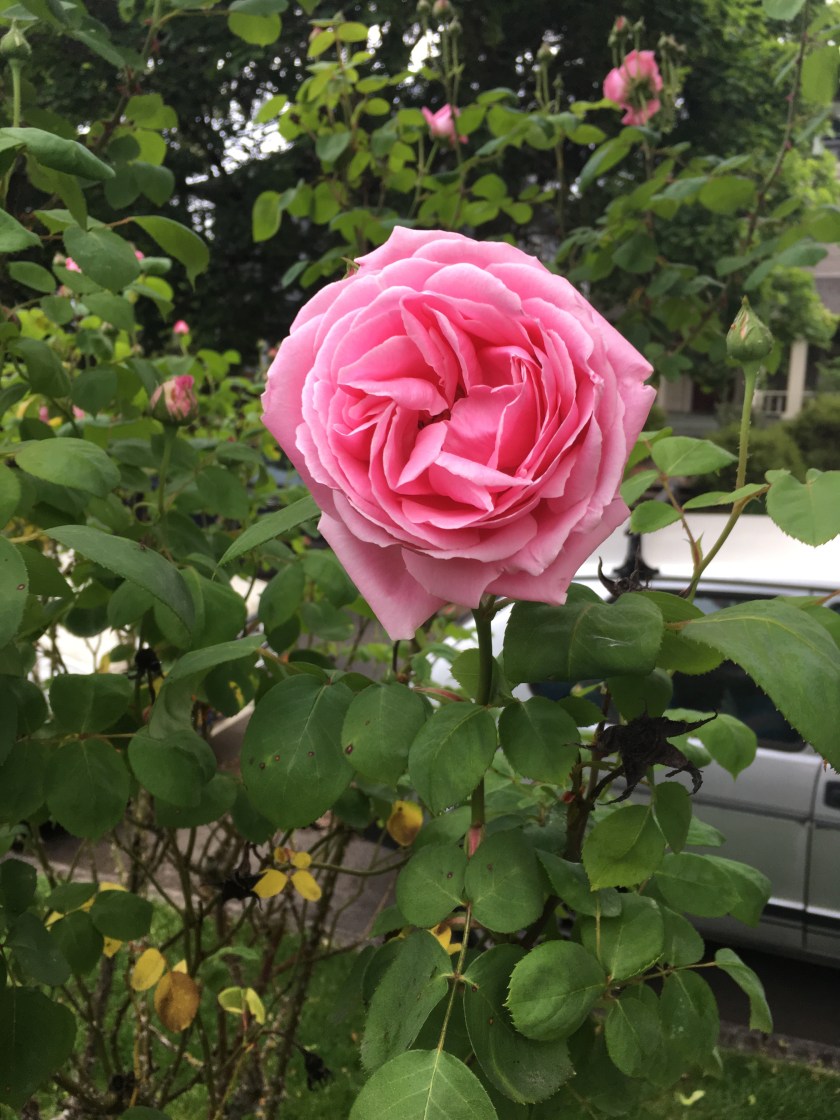
My momma, your great grandma Billie, was a gardener. She had gardens that grew flowers and fruit, roses and rhubarb, and she loved coaxing things from the soil. When she was a child in Oklahoma, she struggled against marauding chickens, drought and dust storms to raise a crepe myrtle bush to the ‘majestic’ height of two feet. She even got a few blooms.
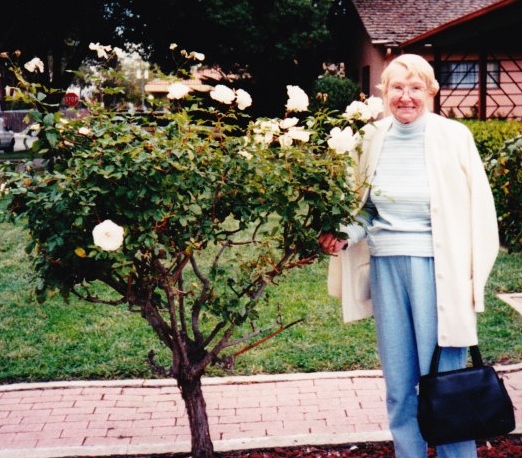
When she moved to California during World War II, she had window boxes in her apartment, then she and great grandpa Lowell bought a half finished house in Manhattan Beach and made it into the home of my childhood. After they had gotten the walls and roof on, momma started on the garden and kept working on it for thirty five years, complete with flower garden in the front and veggies behind a rose covered fence. She continued this magic at her last home in Lompoc, where she and great grandpa Lowell turned a wild mustard field into a garden that was featured in a city tour.
I learned gardening from her, and have been happy to play in the dirt at whatever home I found myself. Our new home in Portland doesn’t have much in the way of acreage, but I am finding ways to have fun with it.
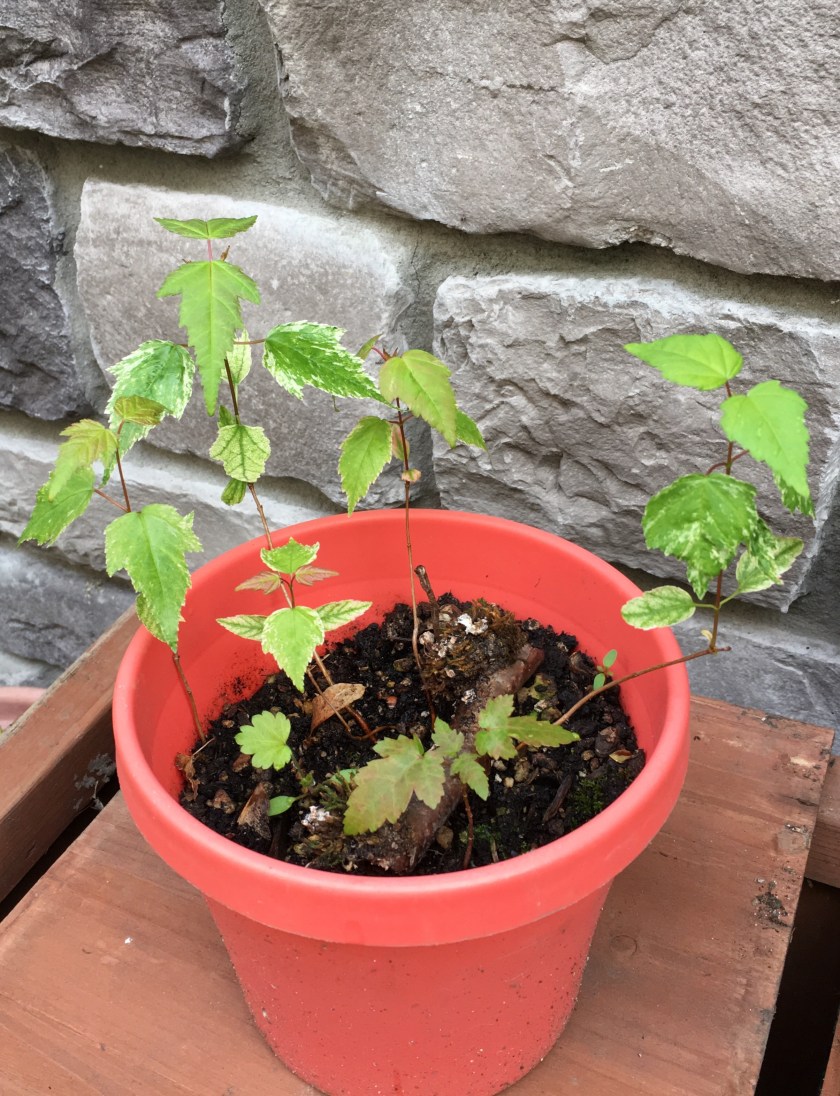
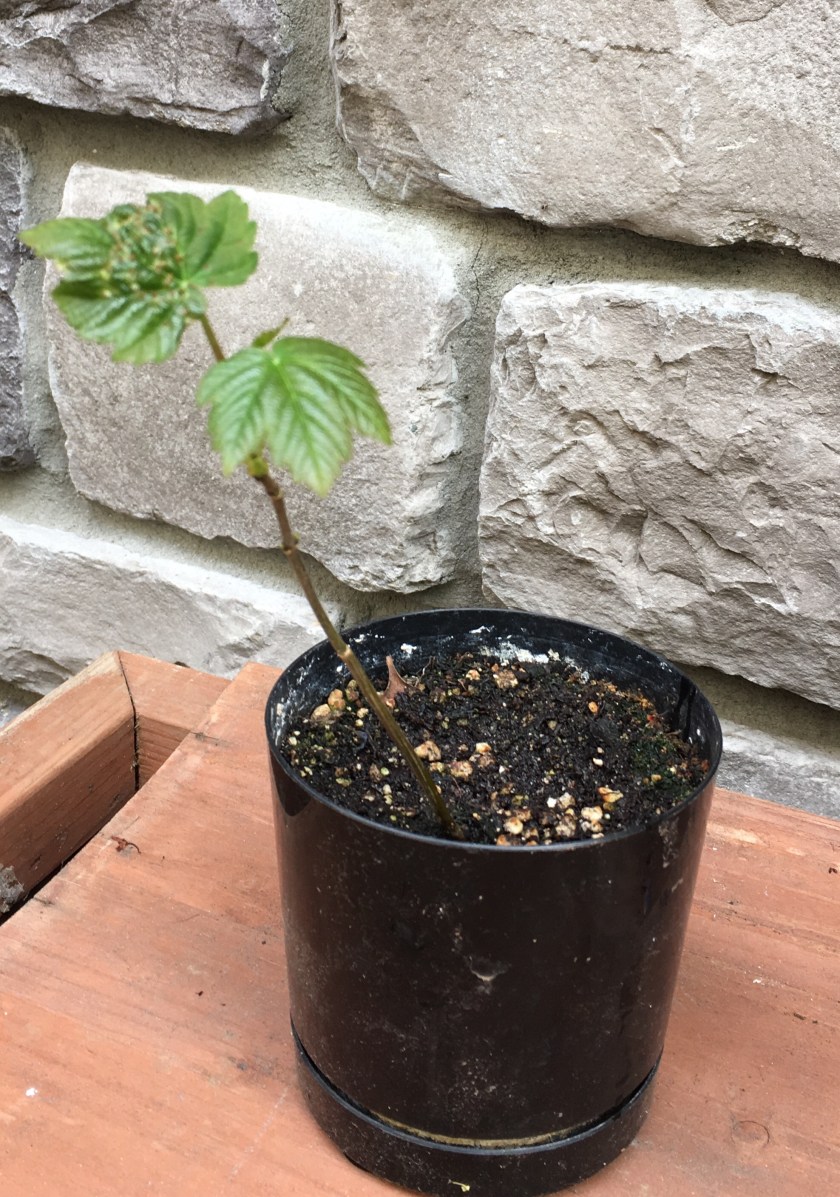
The other day, I walked a mile down Stark (stopping for lunch at the Belmont Station) to choose the right pot for a new project: a bonsai forest. Last winter I picked up a few birch and maple seeds and stuck them in pots, and now I have seedlings. It seemed like a perfect time to begin.
Portland Nursery has a huge selection of pots. I needed a shallow, not too big place, so the roots would stay small and the trees could grow in proportion. I found just the right one and spent a happy afternoon building my new make believe place. I have decided to call it The Hundred Acre Wood, after Winnie the Pooh’s home.
Now I will nurture and trim and watch it develop, maybe adding a ceramic snail or fairy along the way.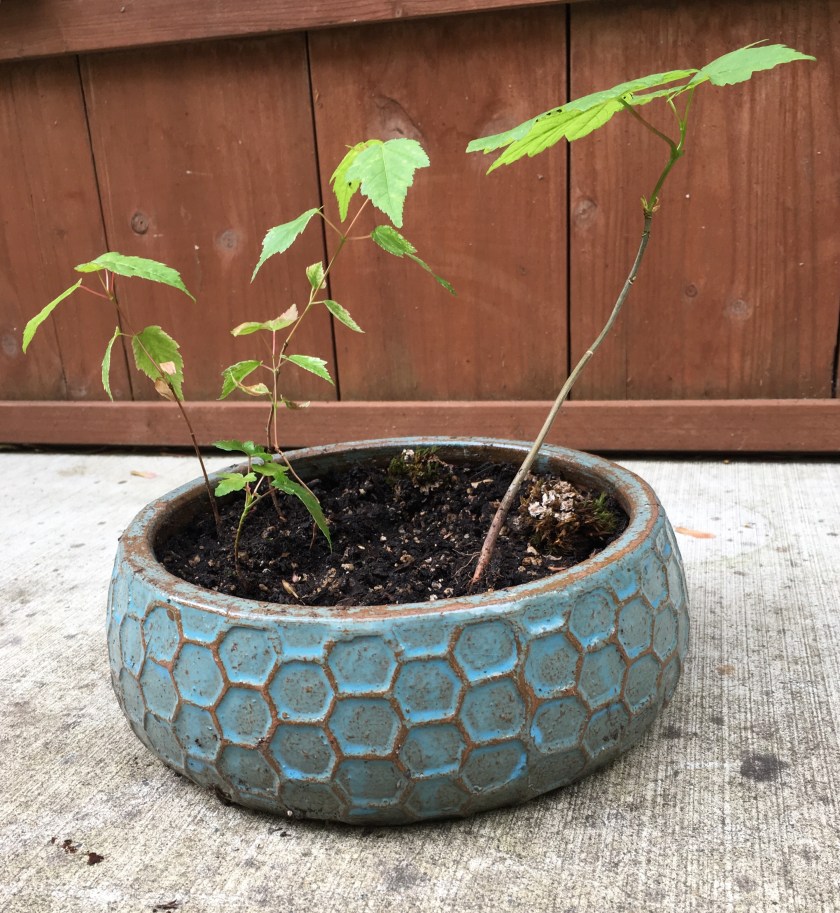
I will never be the gardener my Momma was, but that’s okay. I am the gardener I have become.
Love,
Grandma Judy
 After I had seen all the wonderful art, Grandpa Nelson and I headed across the street to the Oregon Historical Society. They have a fun exhibit on the history of beer that he hadn’t seen, but I was there for an exhibit that is more art than history… contemporary quilts!
 Other quilts showed different edges…technology, sanity, shorelines, day and night.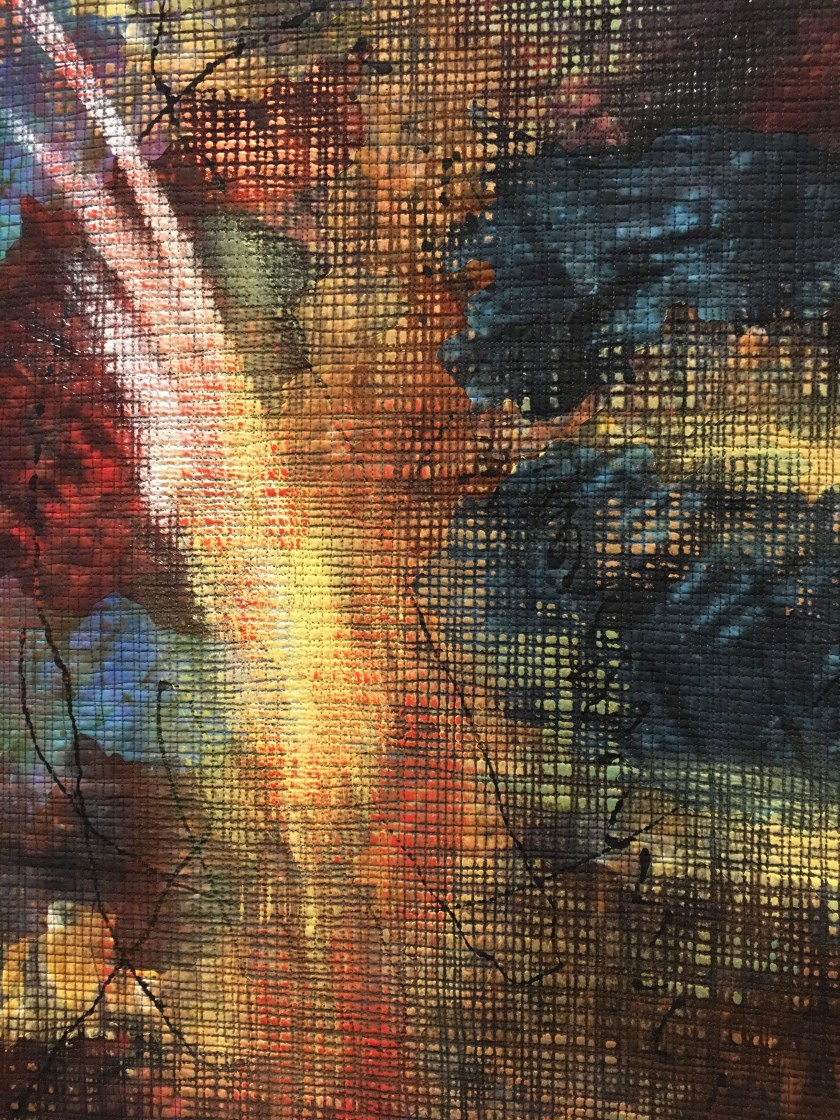
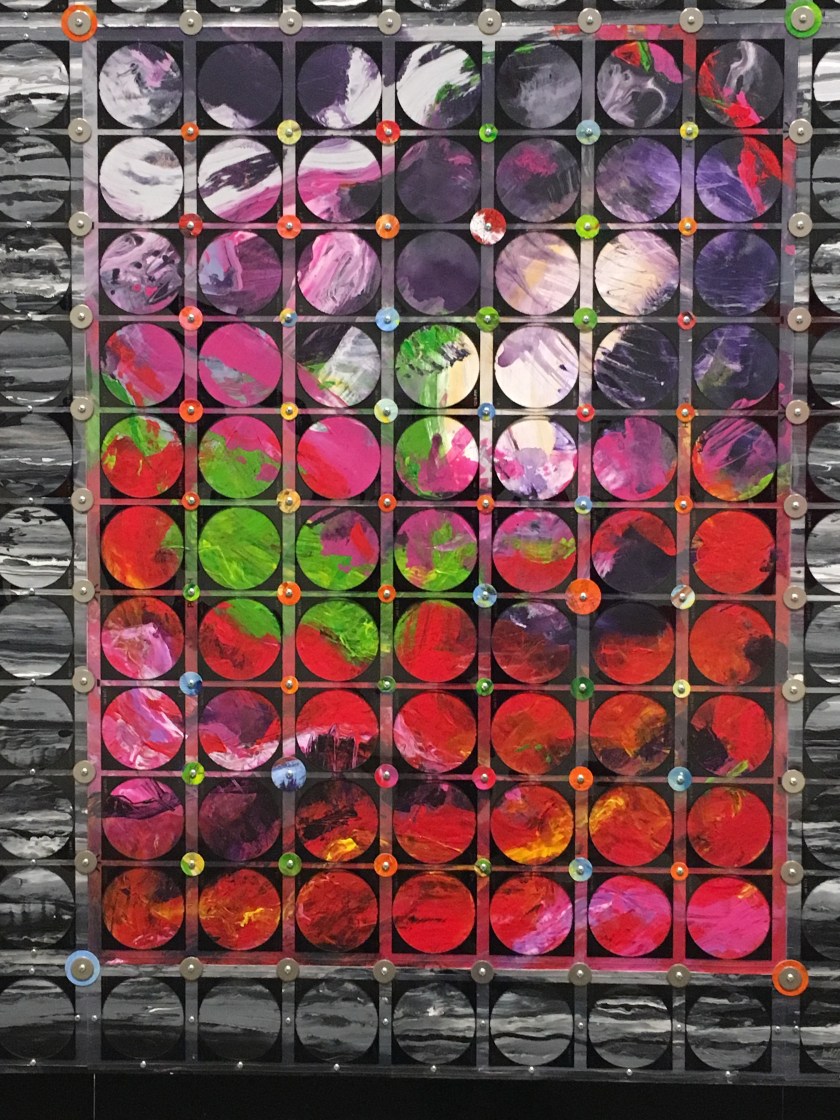 They all were interesting in different ways, encouraging me to finally get out the fabric I bought months ago to make a quilt about my new neighborhood here in Portland. I get nervous, because once you cut fabric, you are committed. But, really, what have I got to lose?
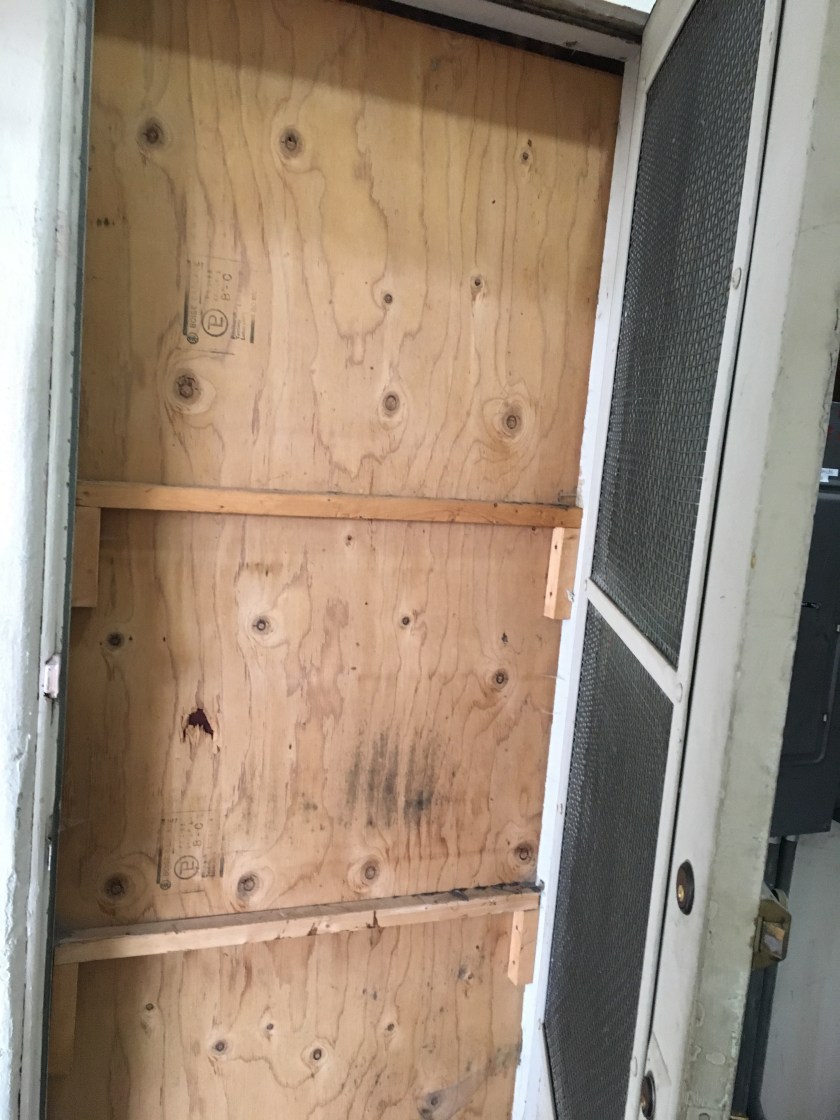
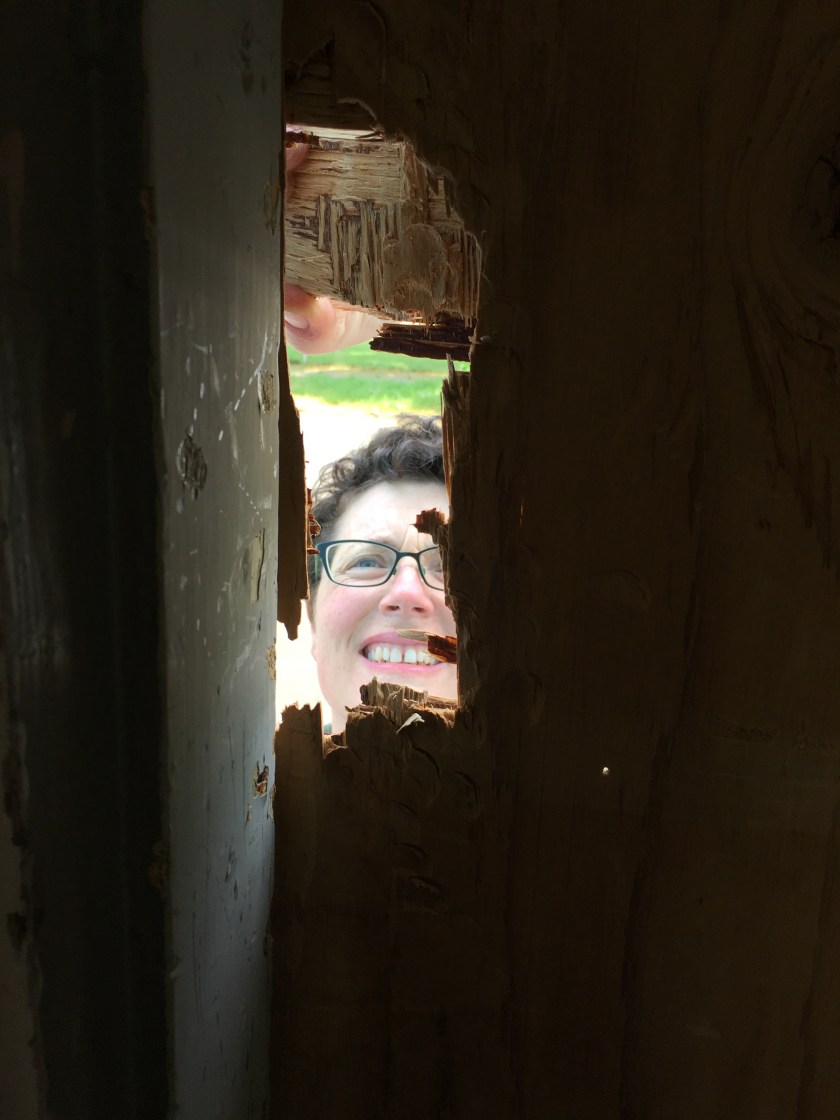
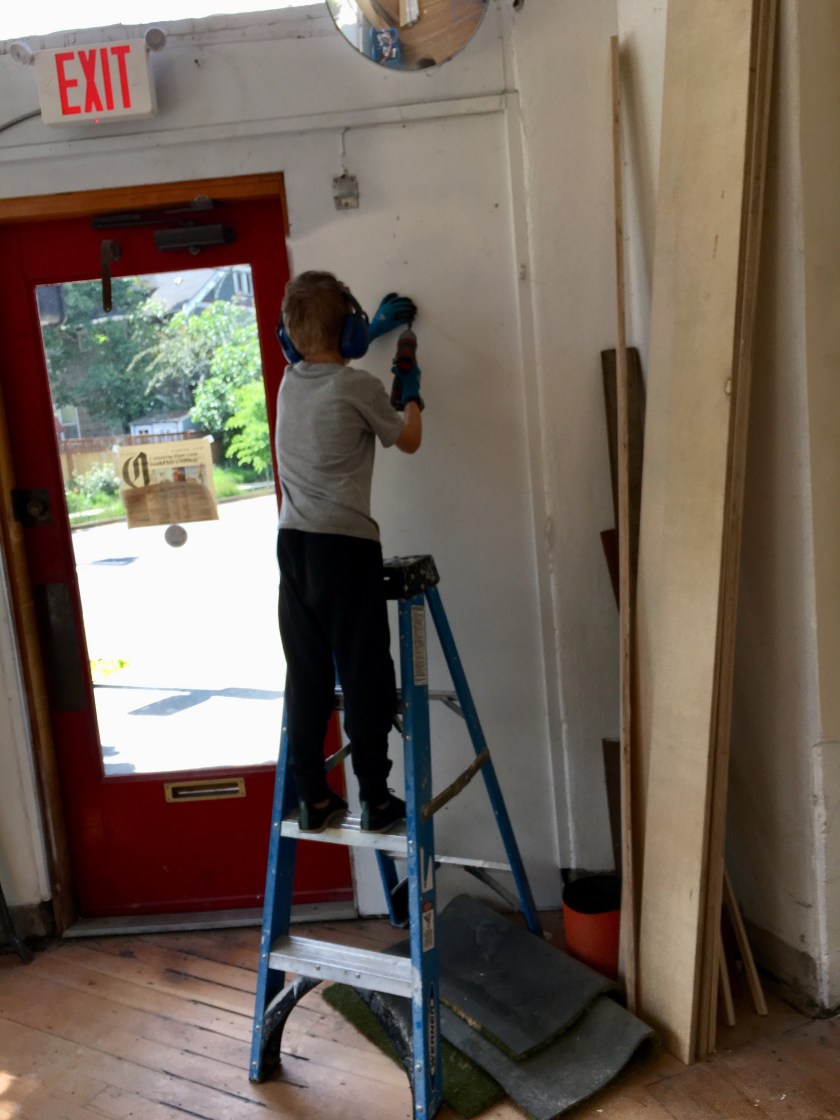
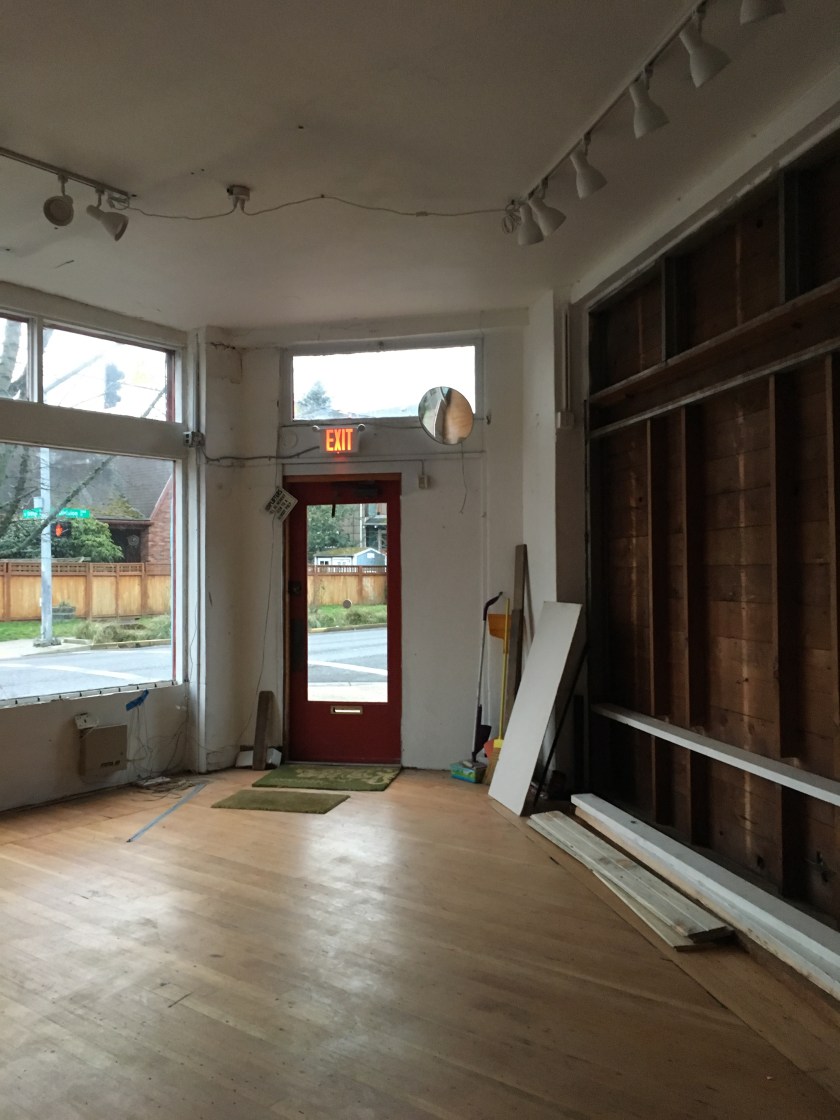
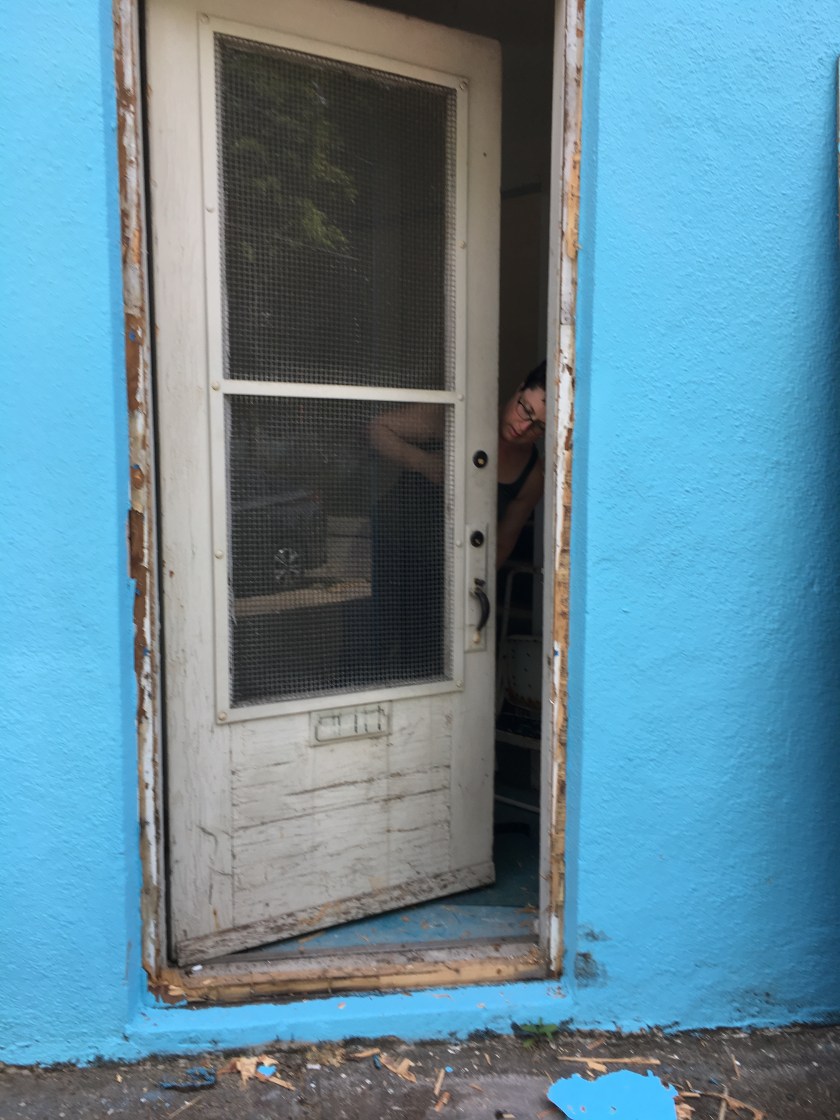 After we declared victory over the door, Katie’s friend Patrick and his son Arlo came to help. Patrick ripped out an old bookcase and Arlo removed random screws and nails from the walls with his power drill.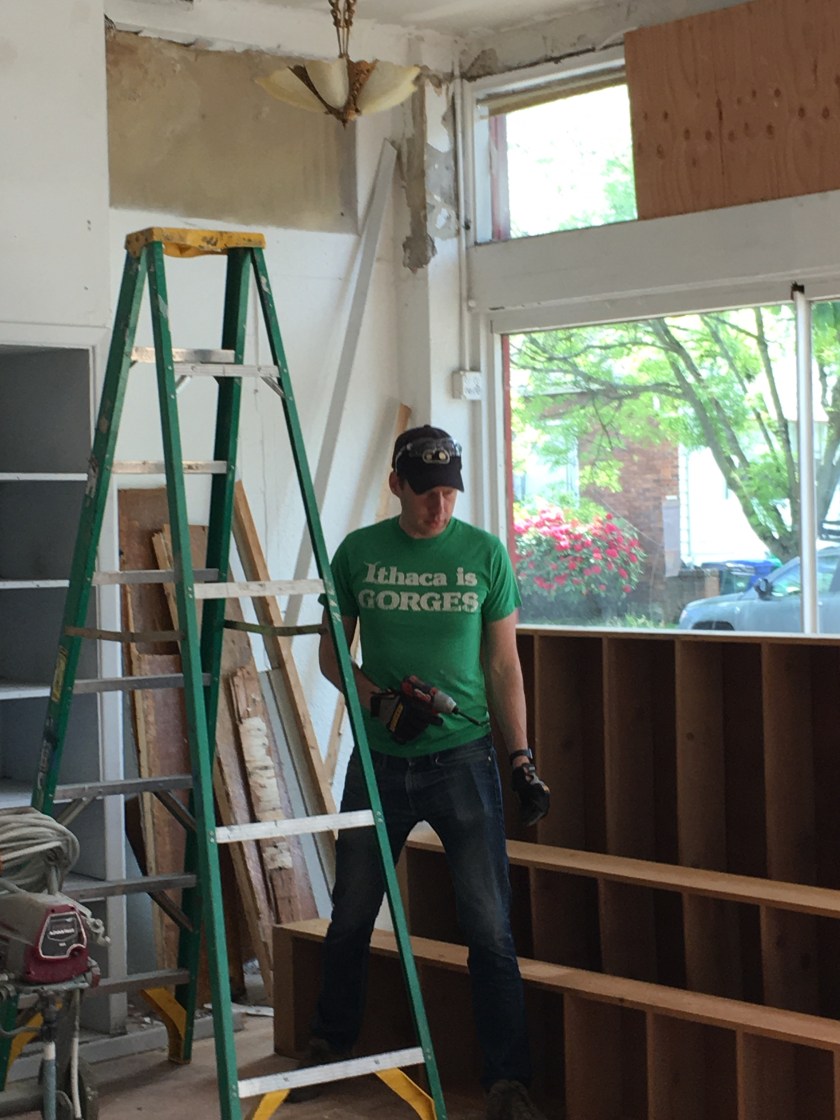
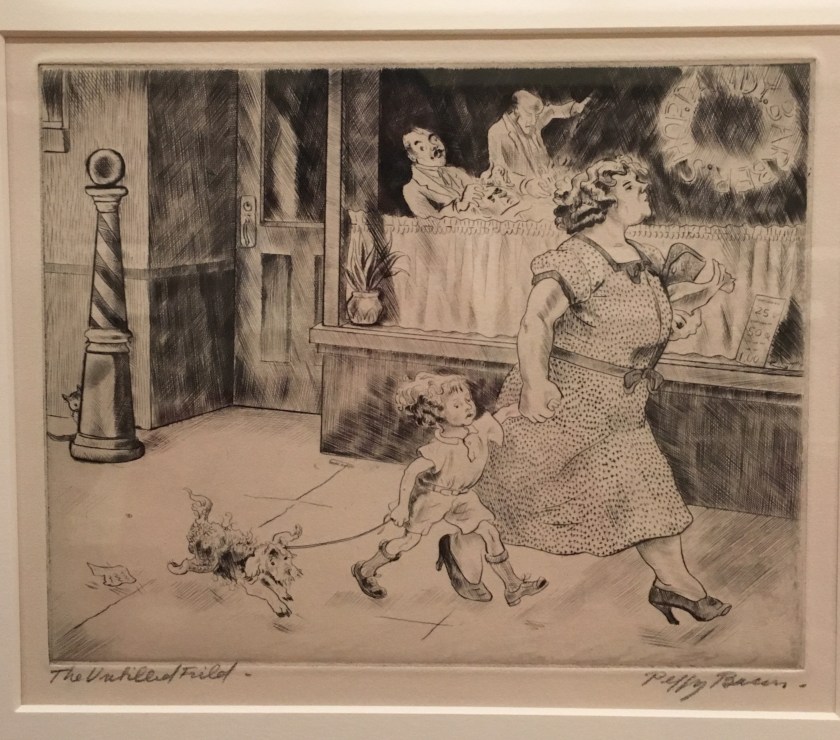
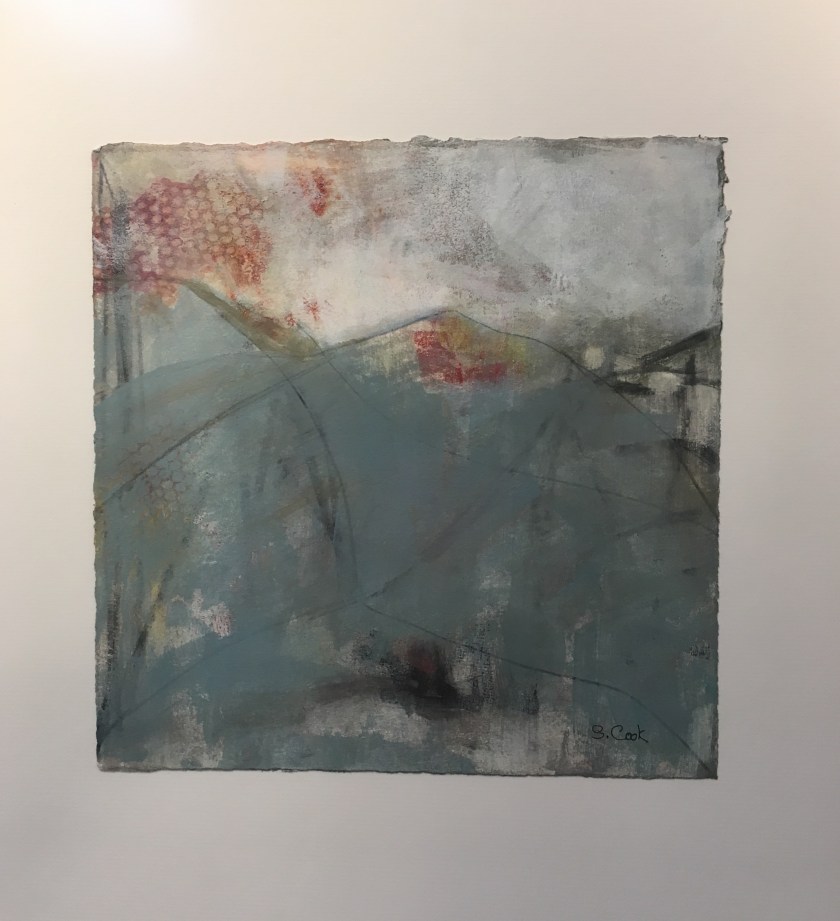
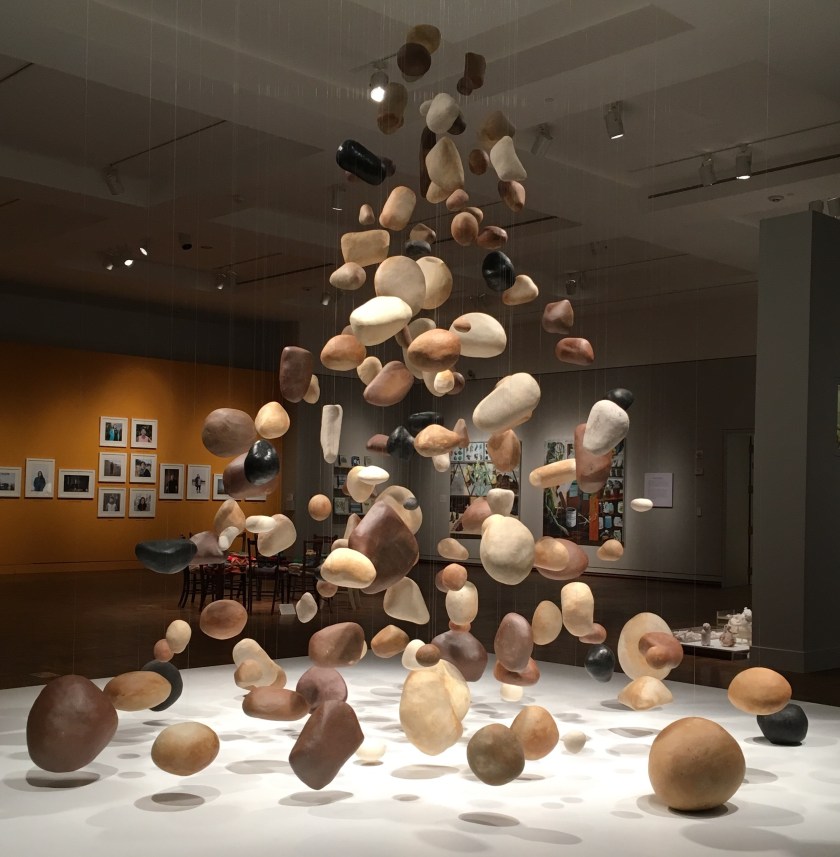 This past Sunday was the last day of a wonderful exhibit at the Portland Art Museum, called PAM for short. The exhibit was by artists who live in the Pacific Northwest (Oregon, Washington, Alaska) and whose work is directly affected by where they live. It is called The Map is not the Territory.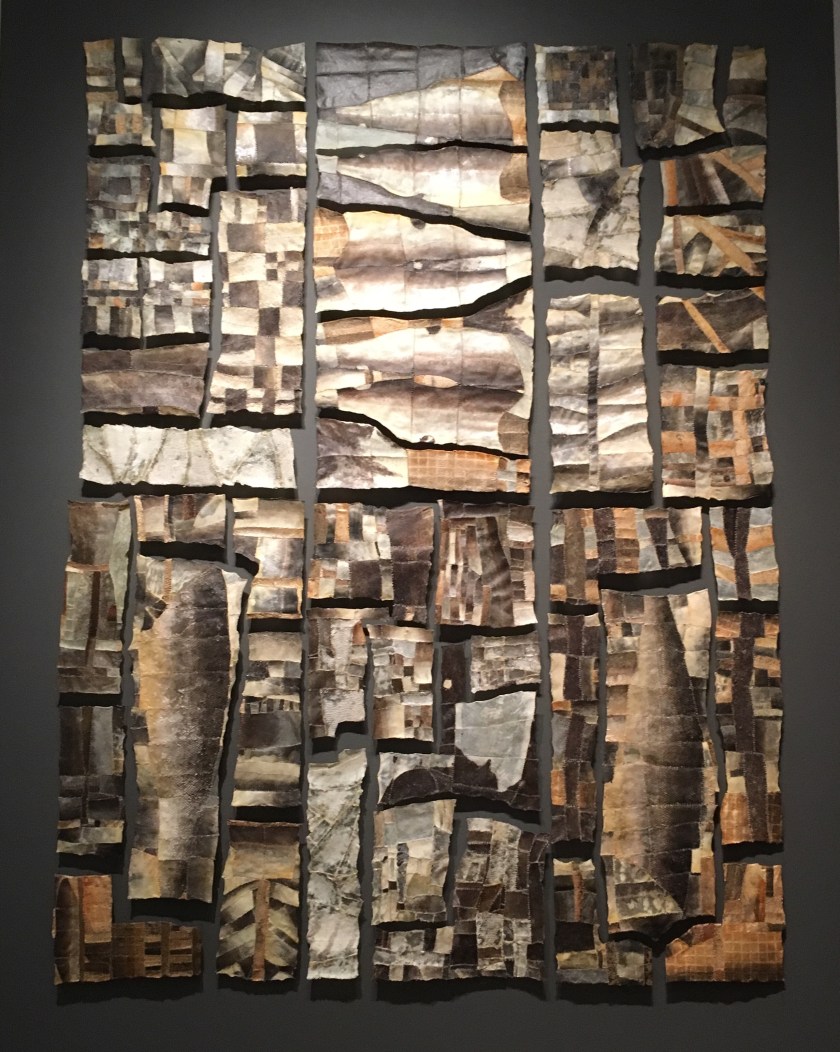
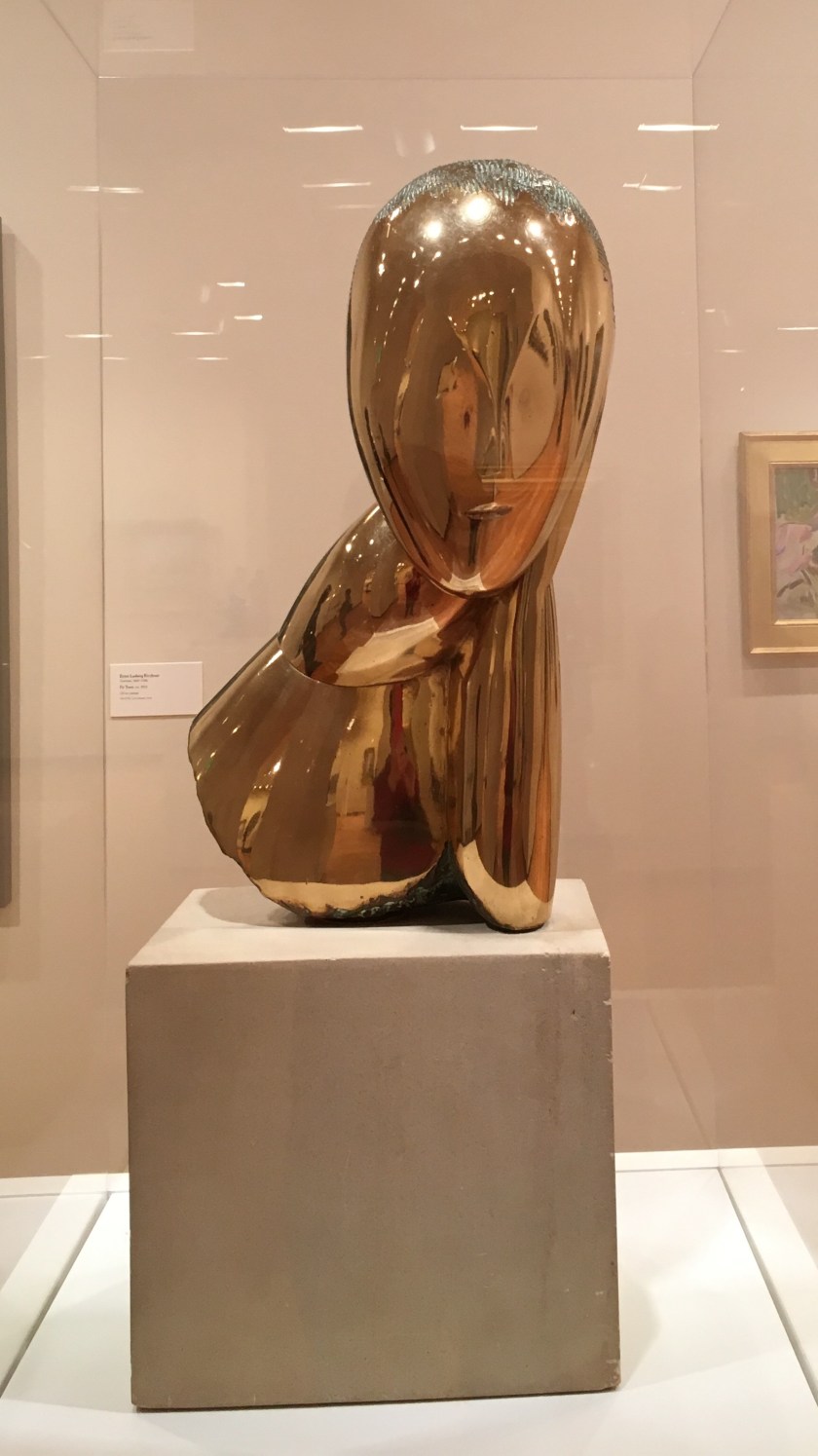
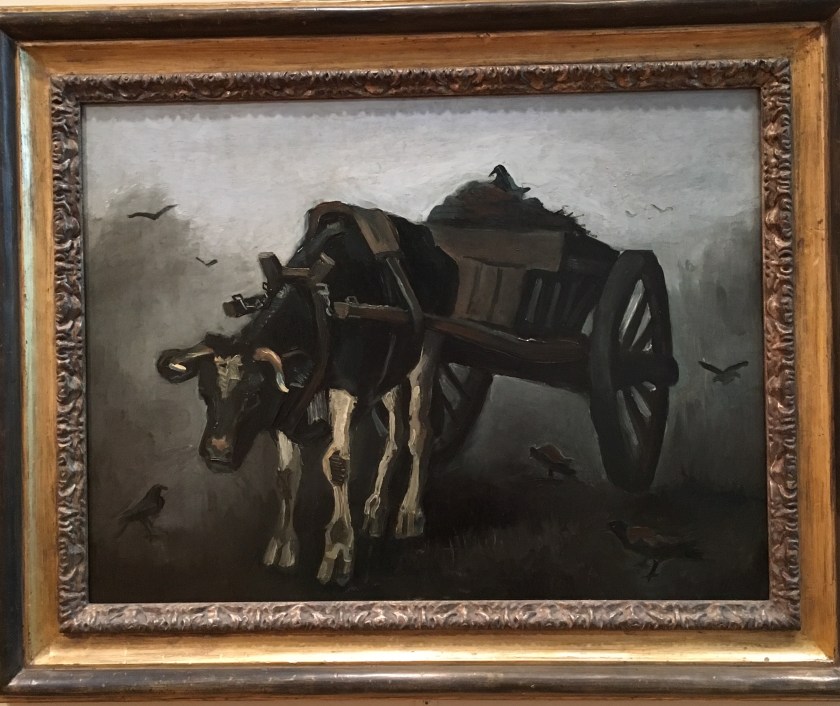 It is called Charette de Bouef, or Ox Cart, and was painted by Van Gough just before he left The Netherlands for Paris, where his life and color scheme changed dramatically. The museum acquired this piece from a Roseburg, Oregon, couple, who had hung over their sofa. Yes, a Van Gough over their sofa.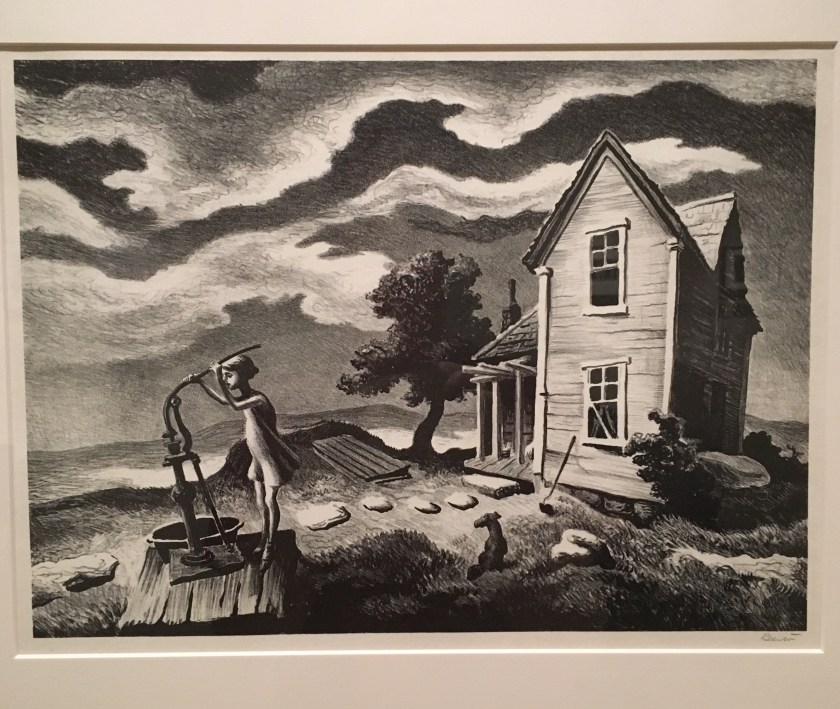
 We took a little break before heading off to the next part of our adventure, which I will tell you about next week!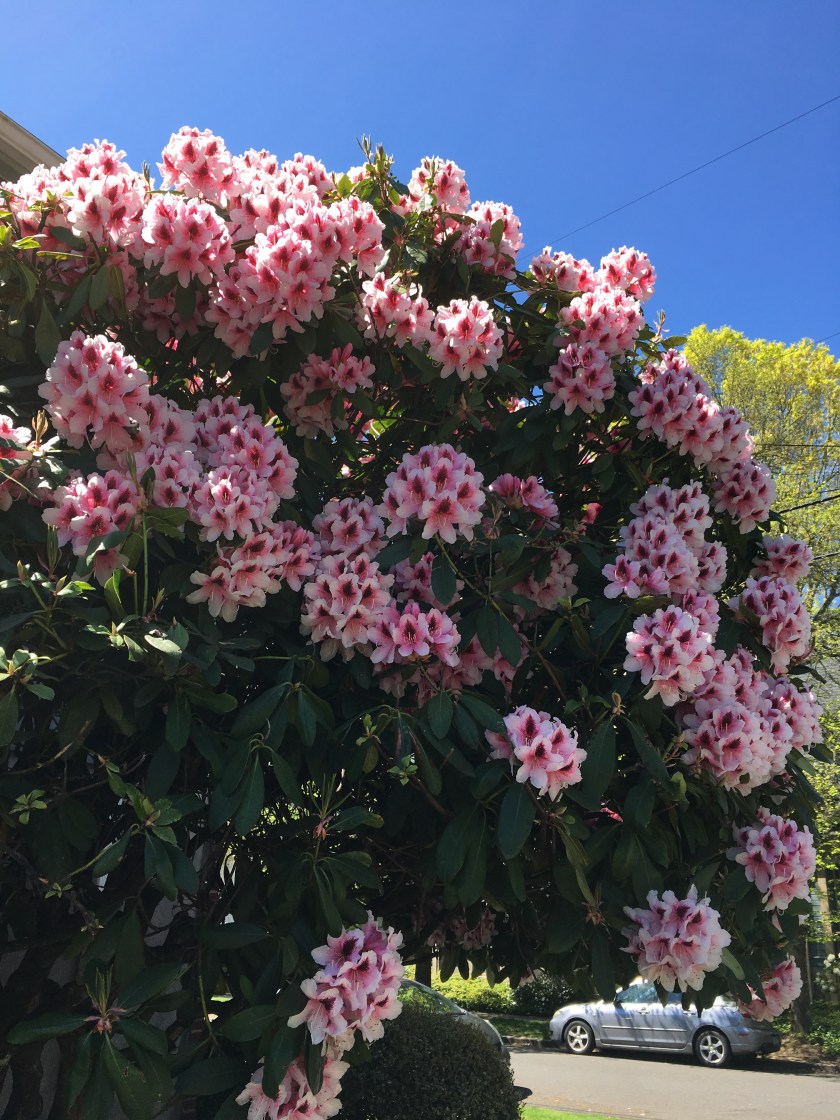
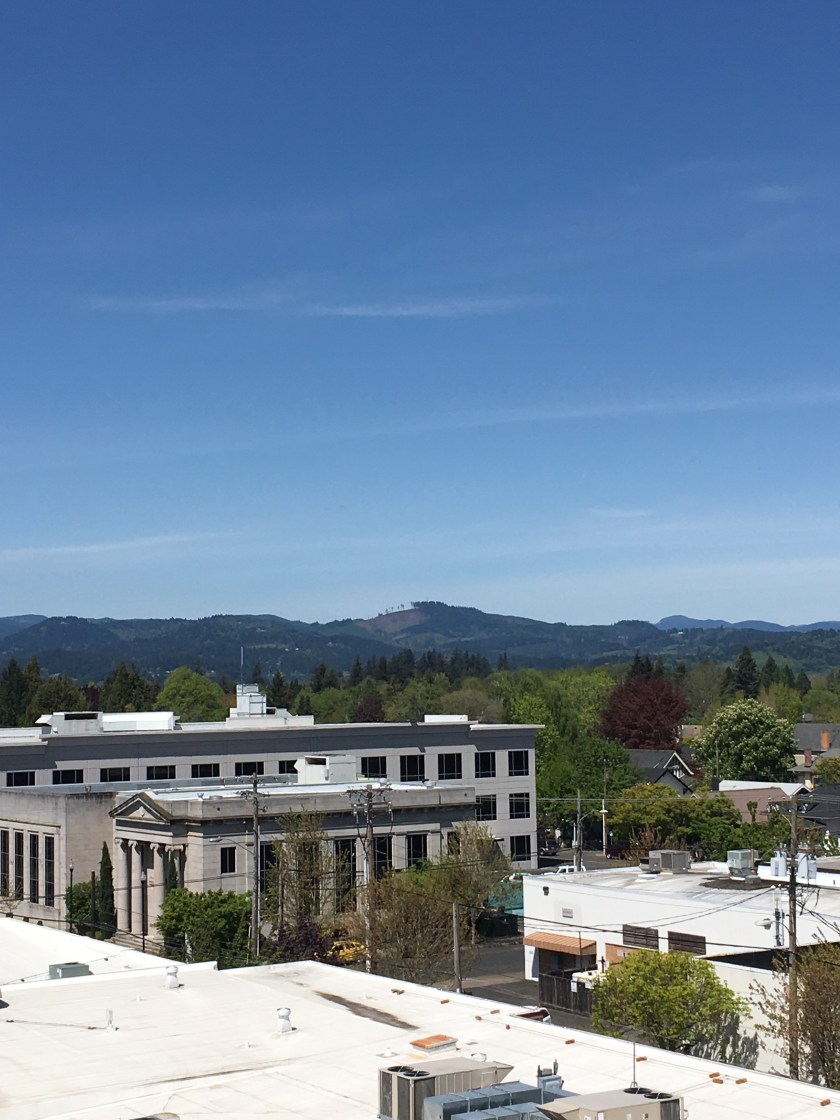
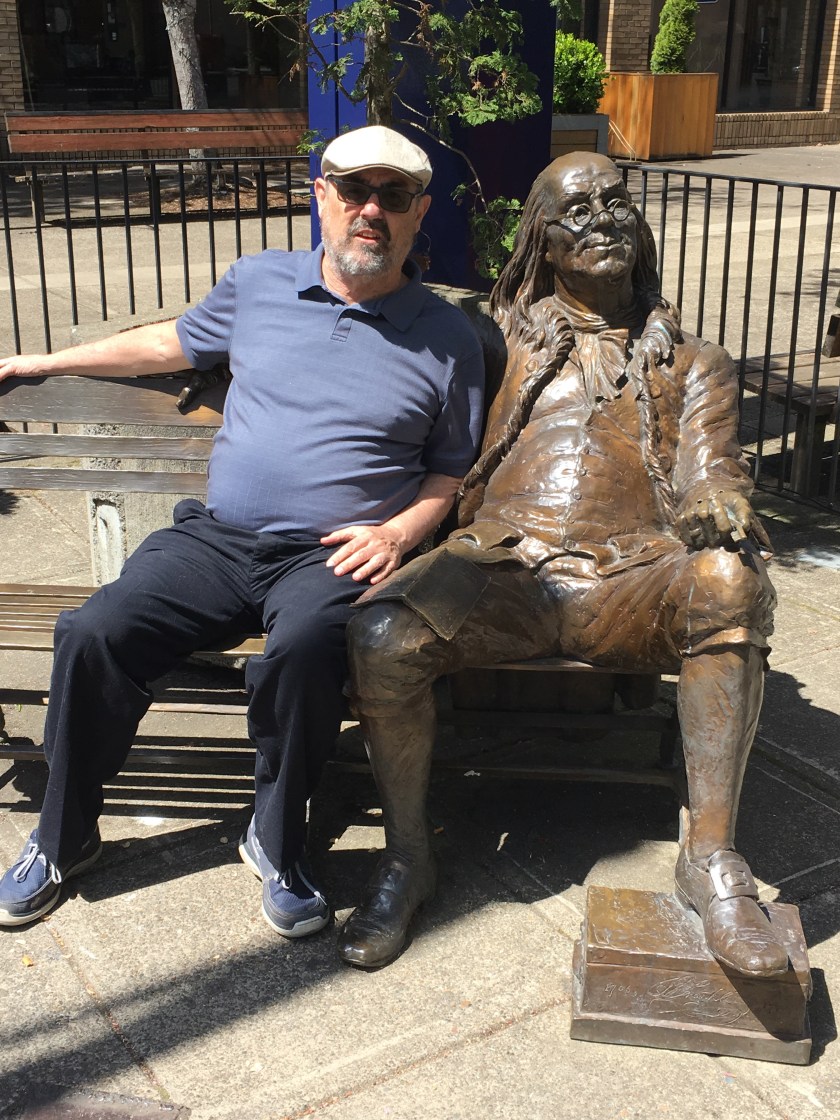
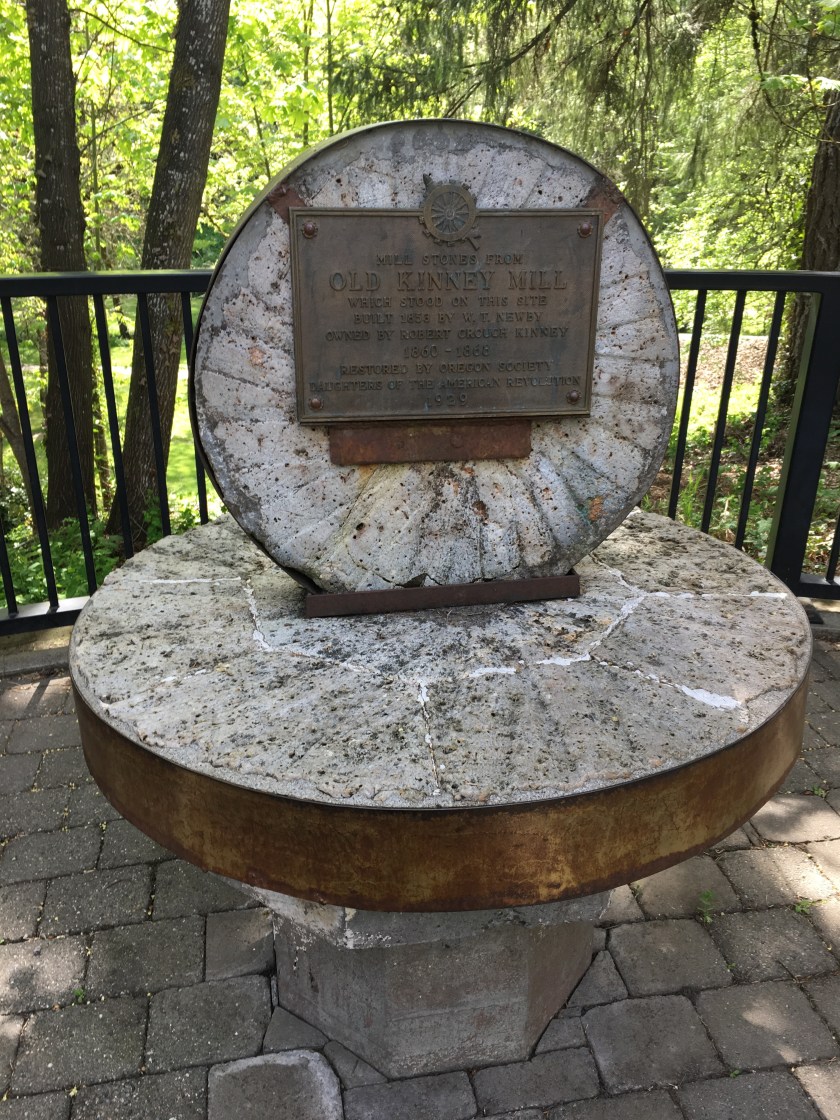

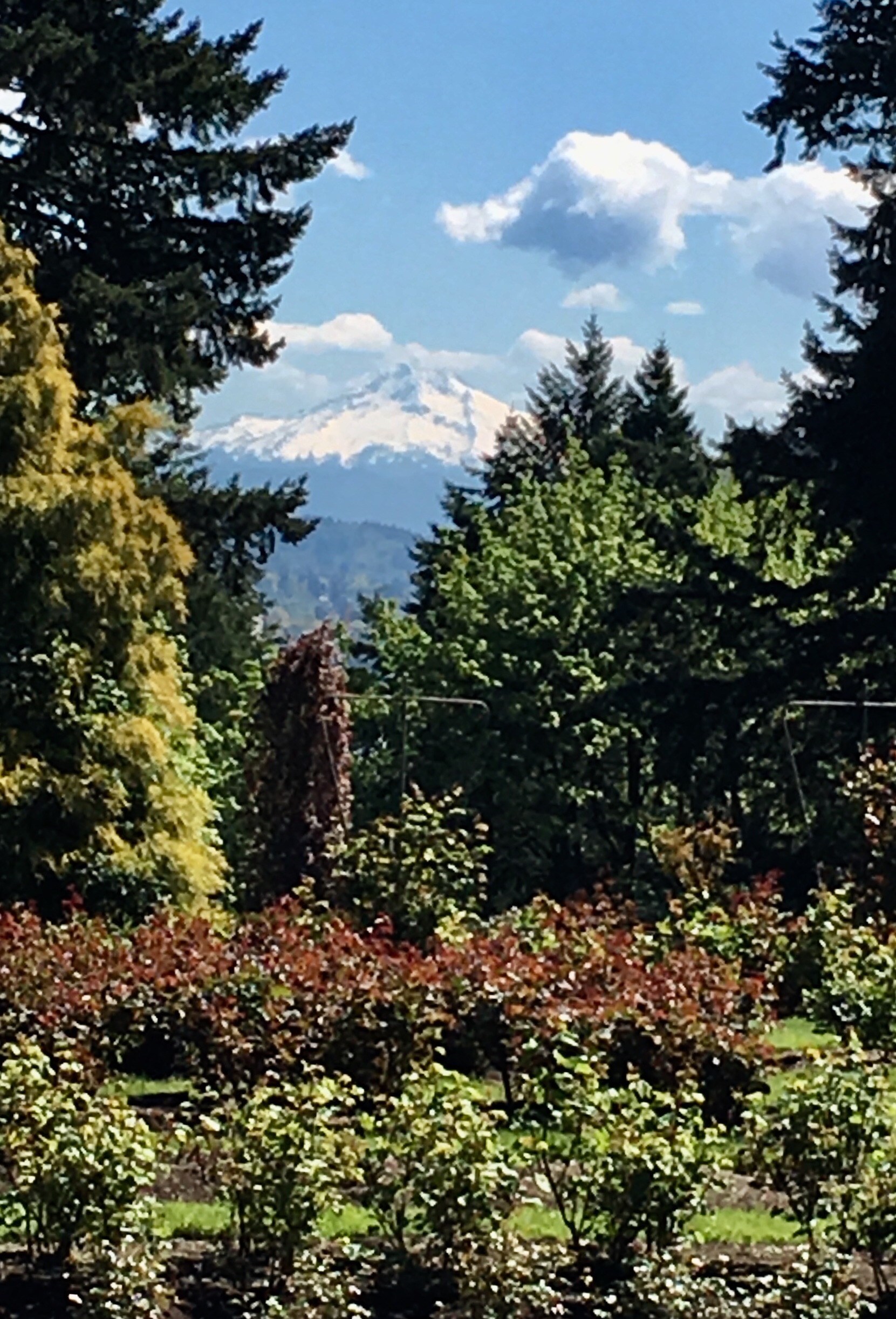
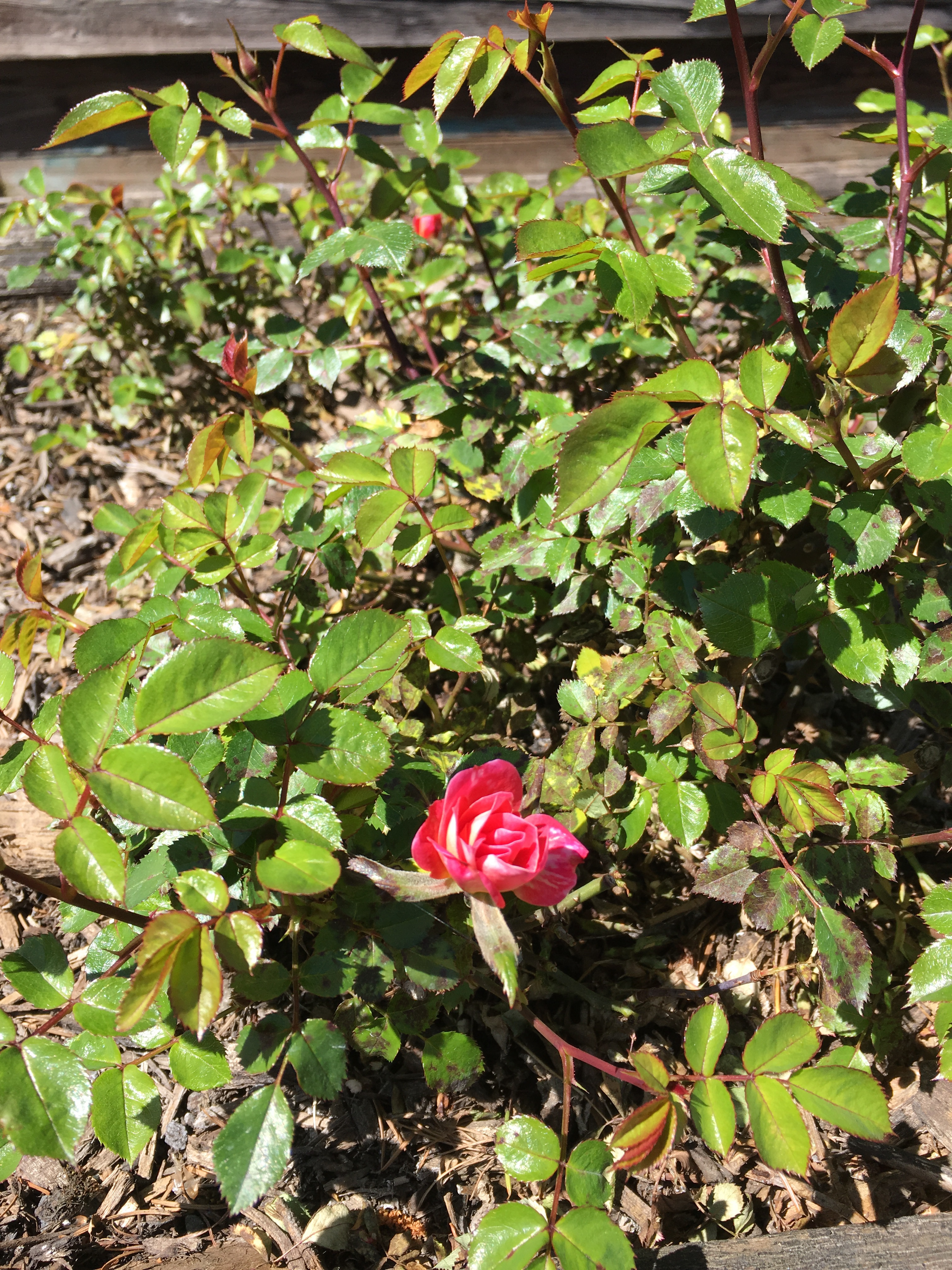 We looked and looked, but out of the 10,000 rose bushes at the garden, we found two, count them, two, tiny miniatures in bloom. Debut, a lovely dark pink, and Dee Bennett, a bright orange, were the only bright spots in acres and acres of green. The view of Mt. Hood was fantastic, however, and the azaleas were nice. It’s hard to have a BAD day at a garden.
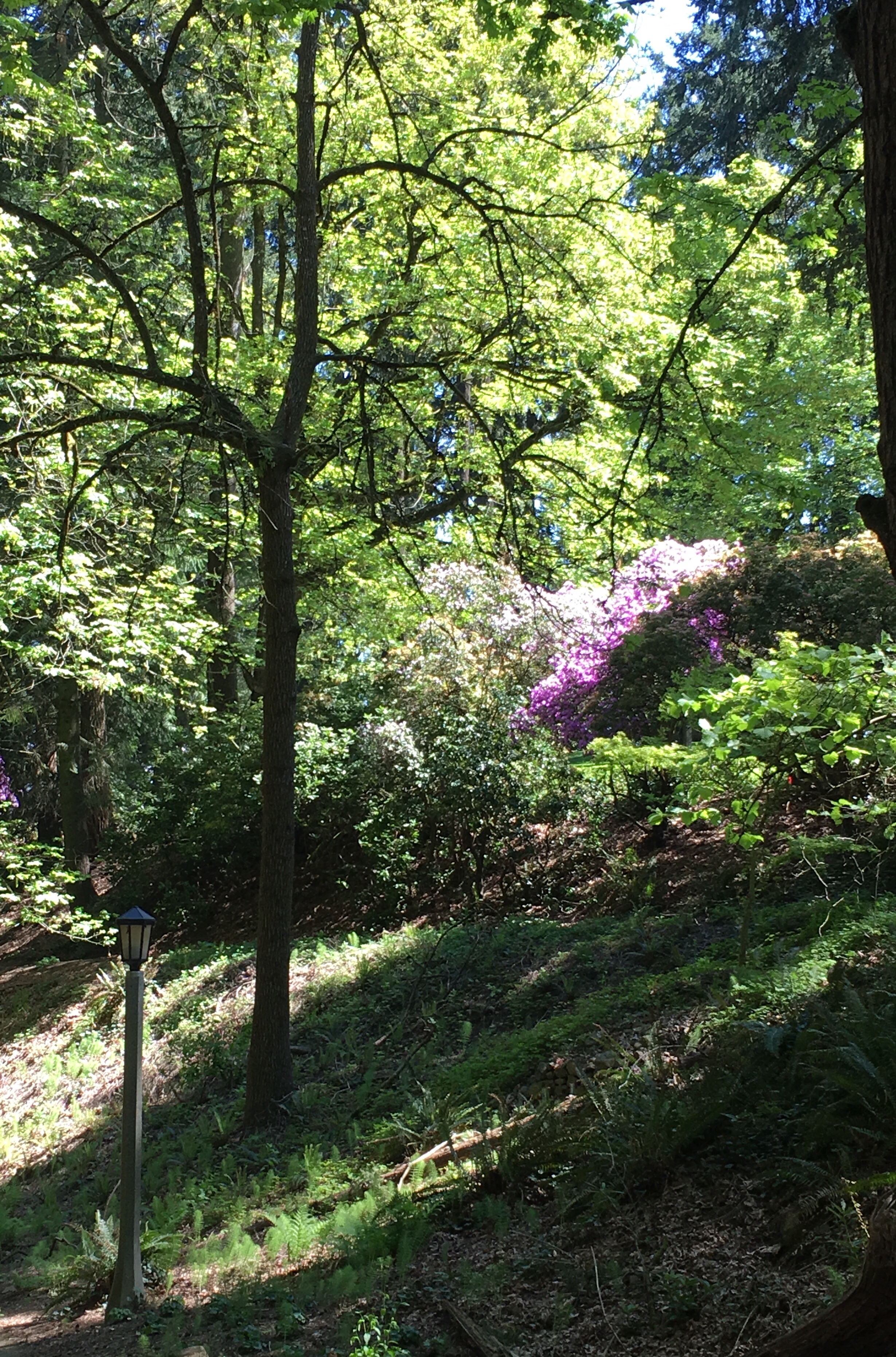 Coming off the trail, we found ourselves just across the street from an old friend, the beautiful statue of Sacajawea and her son, Jean-Baptiste. This statue was commissioned from artist Alice Cooper for the 1905 Lewis and Clark Centennial Exposition. Besides city funds, it was paid for by school children who sold buttons to raise money for it. I have seen articles in newspapers of the time about contests between grade levels at local grammar schools. Apparently using school kids for fund raising is a time honored tradition.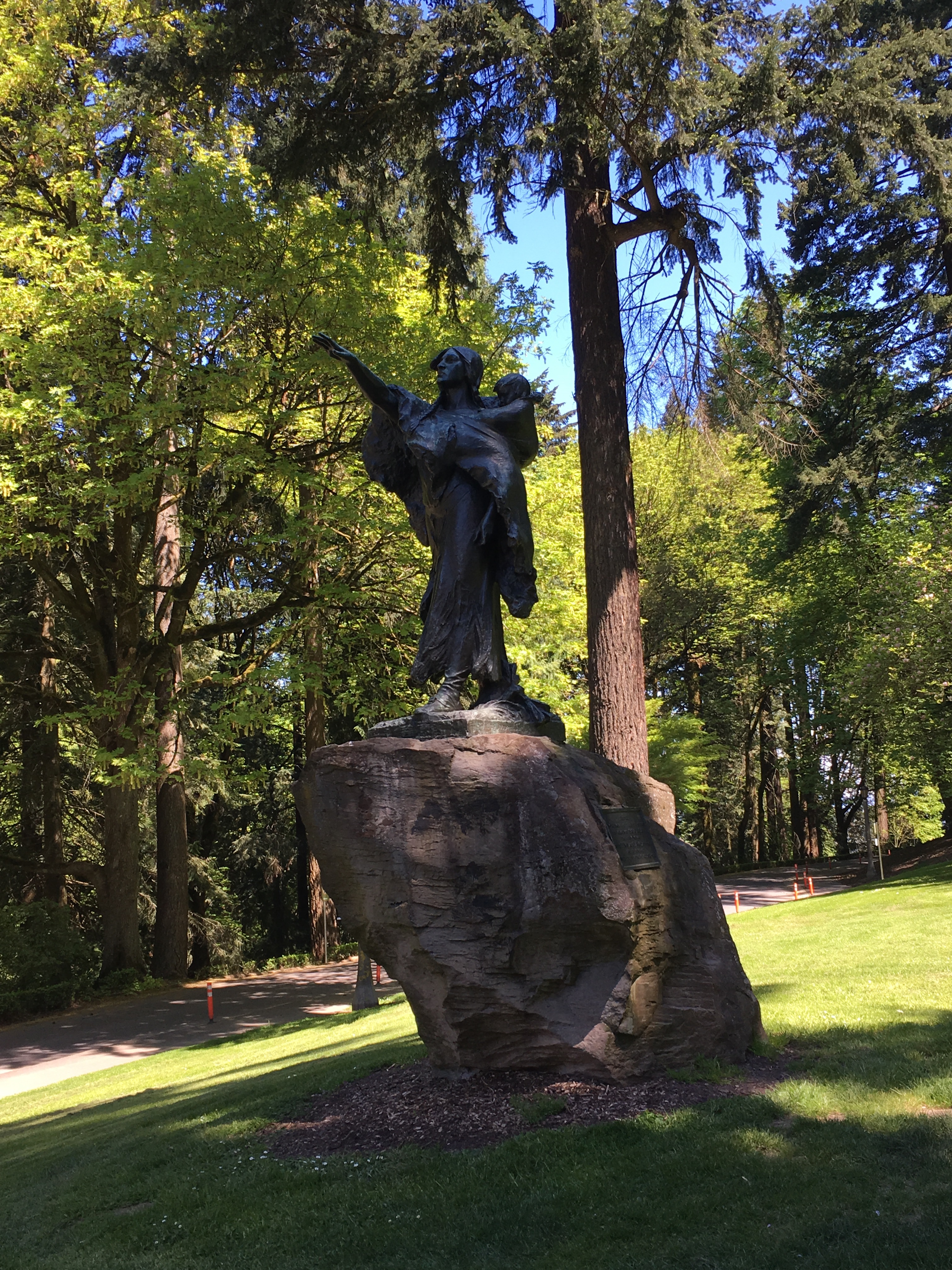
 Dear Liza