Day and Night in Lyon

May 17

Dear Liza,

We have been so active during the day here in Lyon that we are worn out by evening, and make an early night of it. But this past weekend was the European Night of the Museums, and every museum was open, free, from 6:30 until 10:30.

You know we had to get some of that!
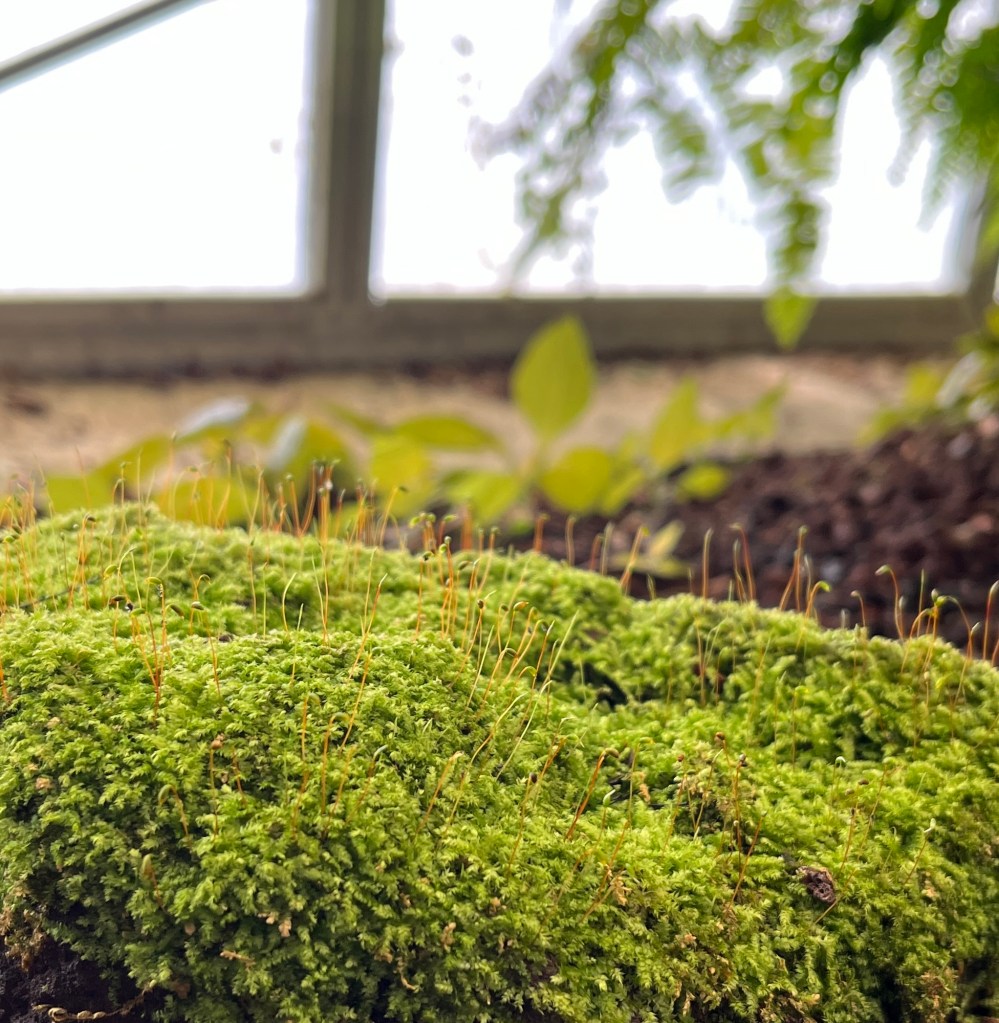
But first, it was a pretty, sunny day, and a walk was called for. Auntie Bridgett and I wanted a short stretch of the legs before resting up for the long evening, so we explored some new corners of Parc de la Tête d’Or.

This small, humid greenhouse had incredible jungle growth.

Huge leaves, bright blooms and bizarre shapes were hanging and sprouting all over! it was amazing.

Once evening came, we took the A line metro to Place Bellecour and walked to a place Grandpa Nelson had seen, Café Française.

It looked nice, but their terrace was crowded, smoky, and we sat for 30 minutes without seeing a waiter. We like leisurely French service, but this was ridiculous.
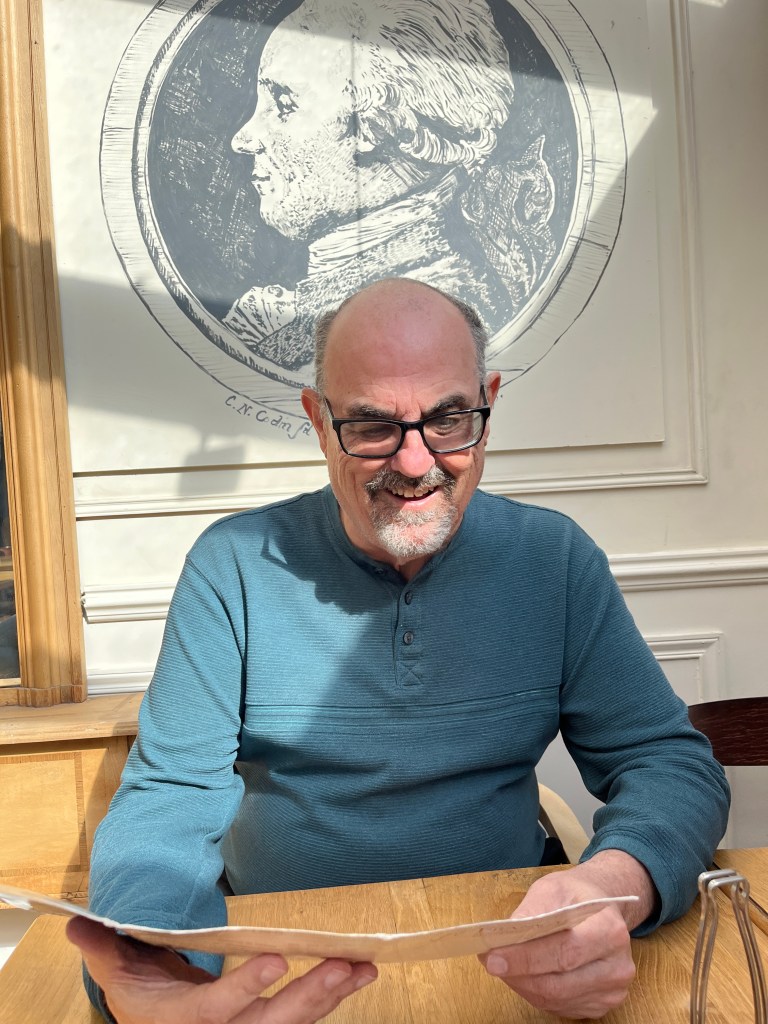
So we headed a few streets off the main drag and found Aperothéque, with fewer people, a cool interior, and waiters who acknowledged our presence. Their food was good, too.

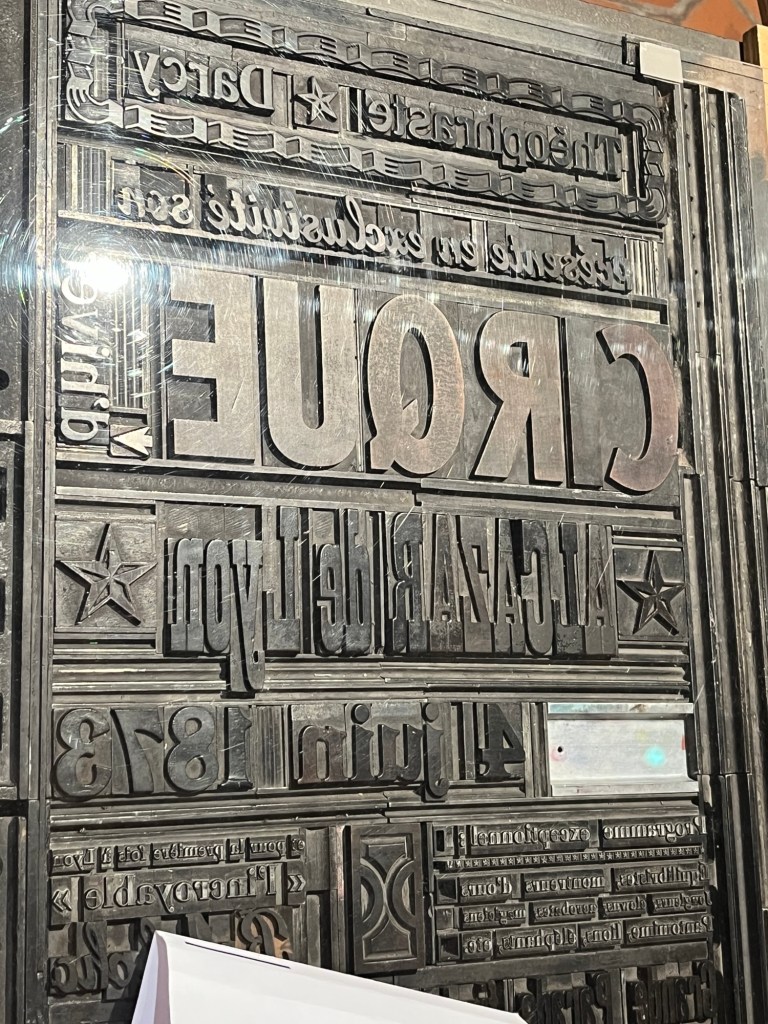
And finally, to the main attraction! We started with the Museum of Printing, which was full but pleasantly orderly. Housed in a Renaissance mansion that used to be Lyon’s City Hall, the museum tracks developments in printing from carved wood blocks to moveable type and its effect on religious reform, to multi-colored computer printing. It was reading-intensive, but well done and fascinating.
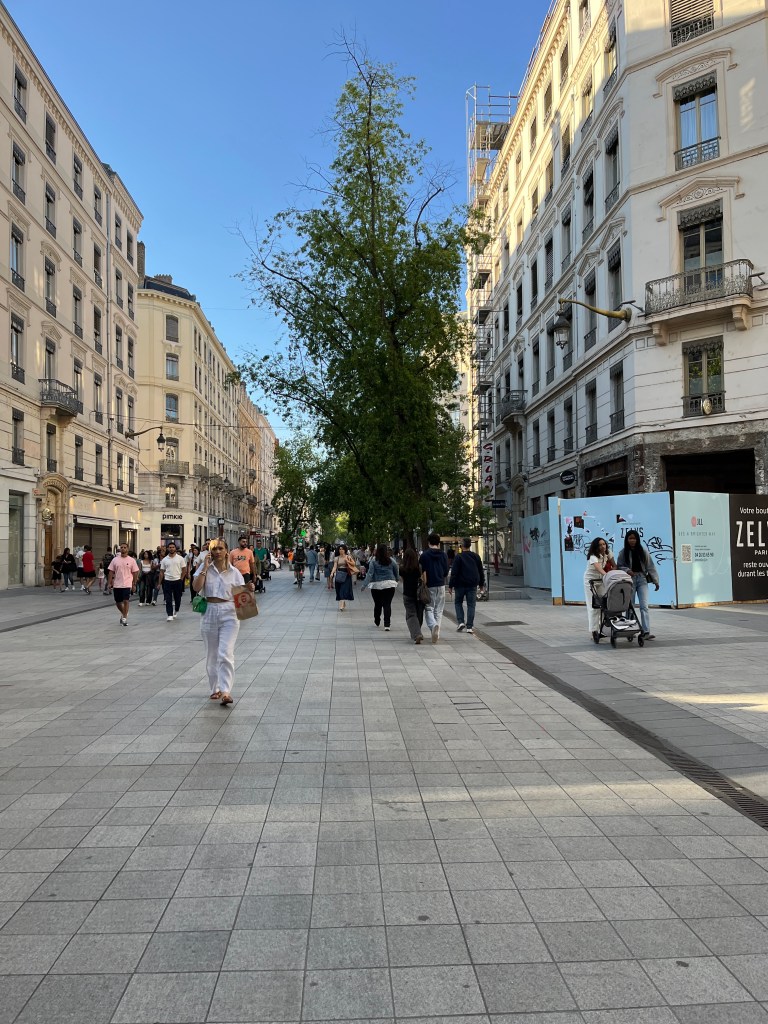
We were feeling a bit foot sore, but a delightful walk through bustling pedestrian streets got us to the Fine Arts Museum.
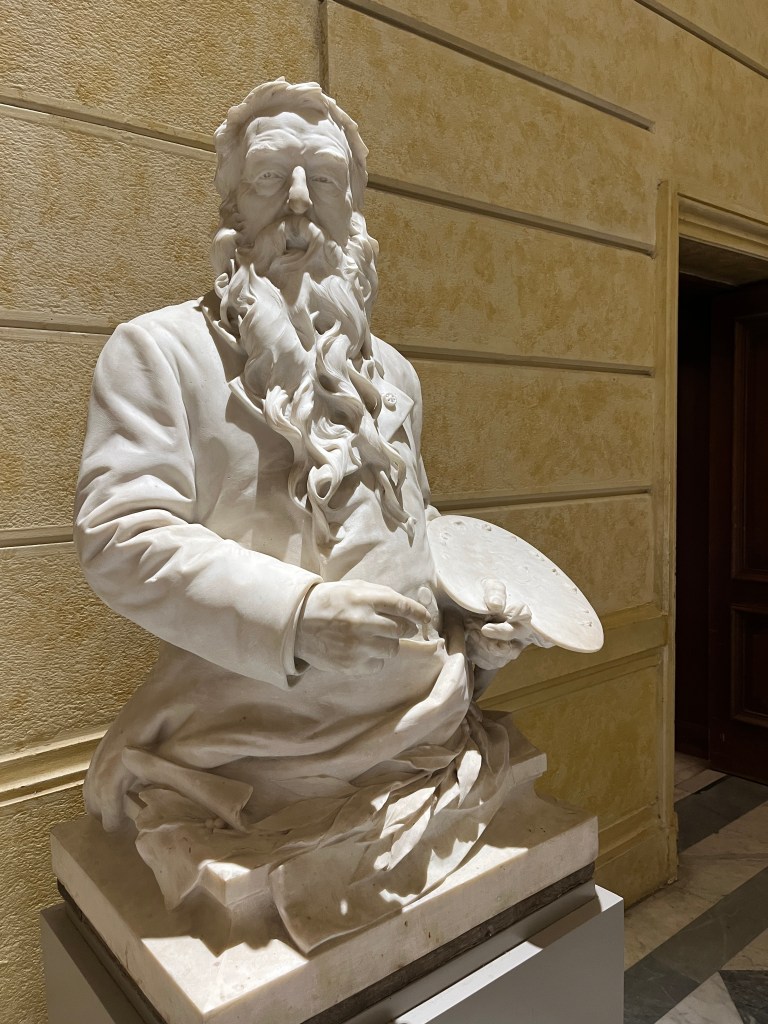
I didn’t take many pictures inside the Museum, because there were so many people coming and going so quickly, I felt like I just needed to hold on! Here is a lovely marble bust of August Rodin, looking as concerned about the crush as I was! We didn’t stay long.
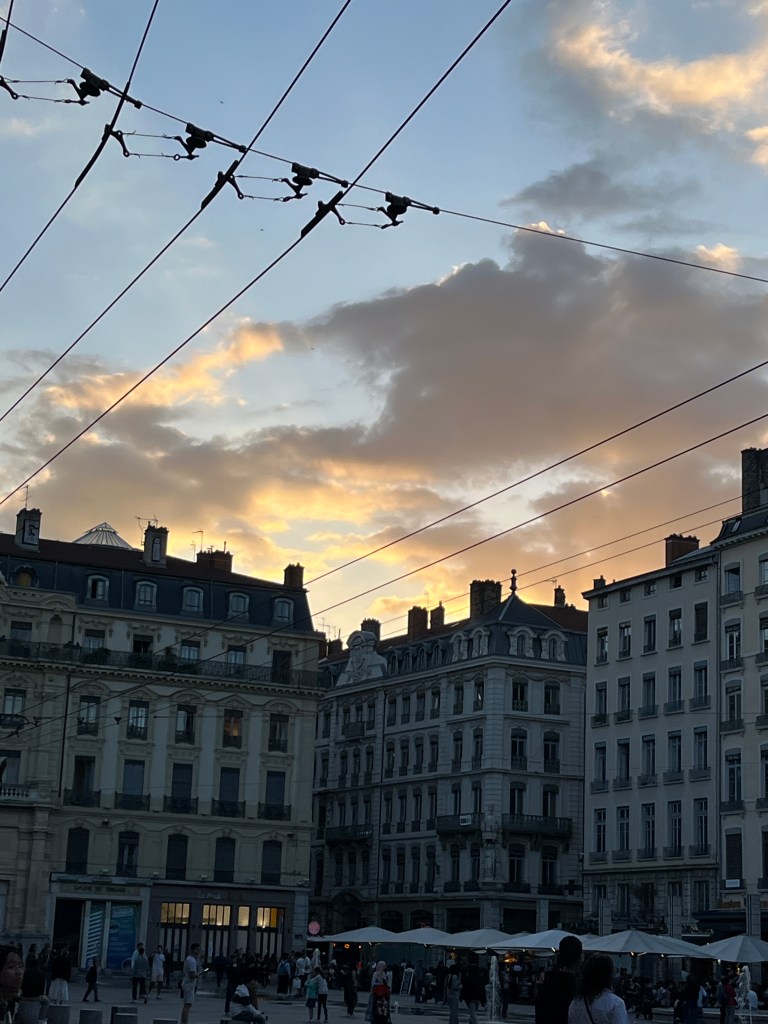
Once we found peace and space outside in the Place Terreaux, we saw our first sunset in Lyon and made our way back across the bridge and home.

This is a wonderful city, day and night!

Love,

Grandma Judy

Le Musée des Confluences

May 9

Dear Liza,

When two rivers flow together to become one, this is called a confluence. And when a museum is perfectly suited, both architecturally and metaphorically, to its location, this is called Le Musée des Confluences.

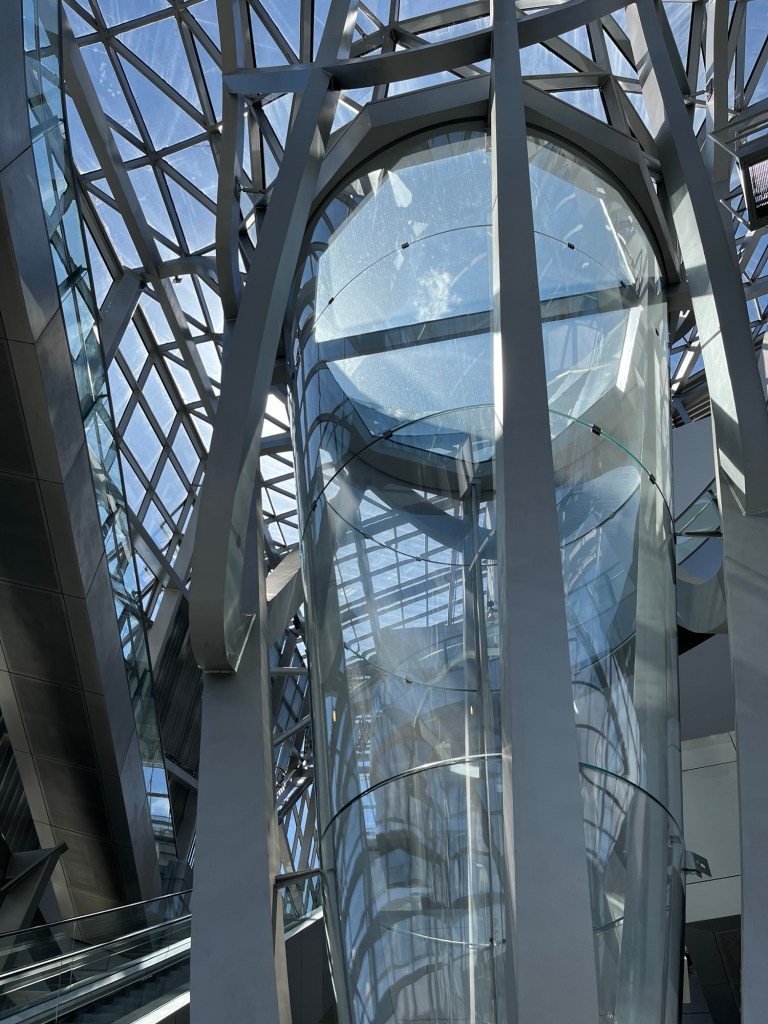
This unexpected building has no great facade and almost no right angles, and looks grandly alien against the bright blue sky. The building looks different from every angle, and there is no ‘front’ or ‘back’. It follows no architectural tradition.

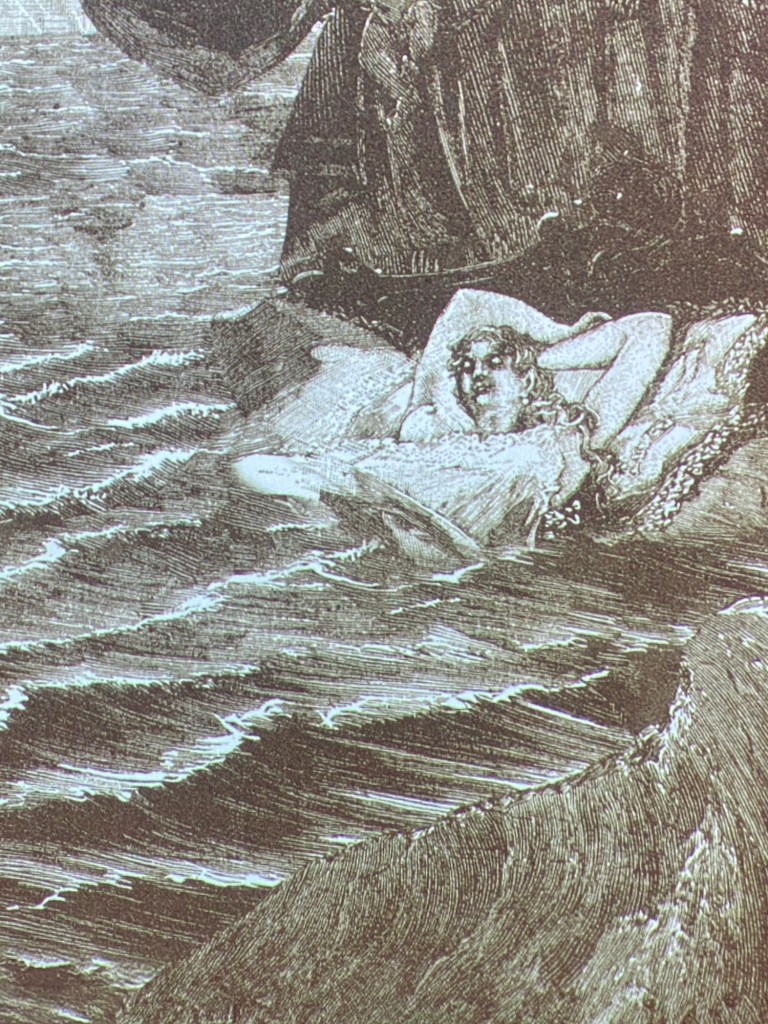
The exhibits inside are equally unexpected. The first one we saw was on Dreams, and how societies through time have used and interpreted them. Writings and stories from all over the world were represented in film, art, models, and recordings. Dreams about death, under fascist regimes, and religious visions were included, all considered equally.

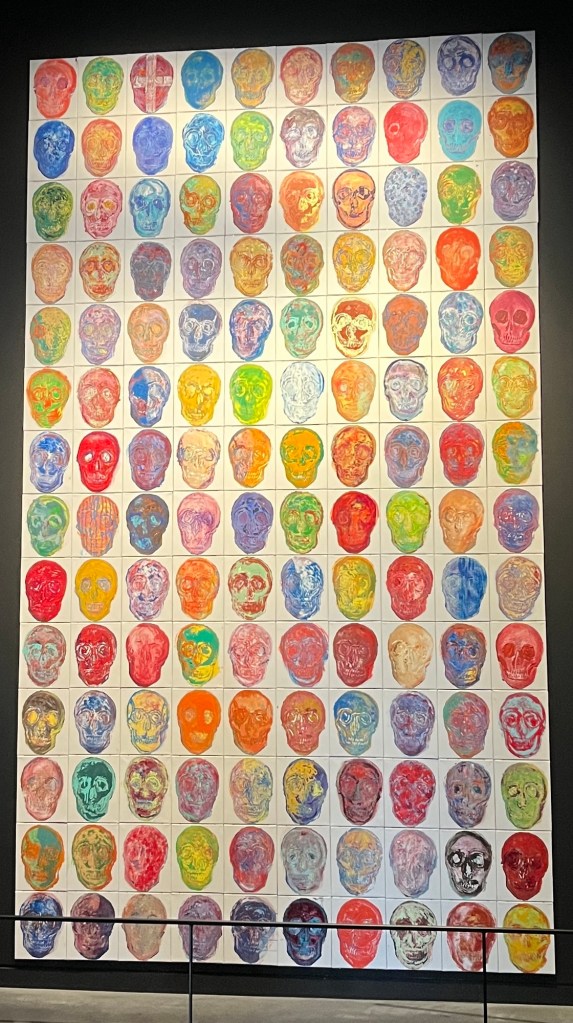
There were also a gallery titled “Death… and Then What?” about different societies’ views on whatever life there may be after death. It was fascinating, if a bit dark, but again, handled without the usual Western bias.

There was no “but science NOW knows…” stuck on the end to discredit the other world views.

The galleries, like the building, and like the location, were a confluence, a blending, an acceptance and equal exploration of all views.

This is included in the introduction to the museum, “guests are invited to view the world with curiosity and a sense of wonder.“ This museum sees itself not as a fountain of knowledge or a gatekeeper of information, but a lens through which to look at the world.

I like that.

Love,

Grandma Judy
Tidying Up the Dead People

Dear Liza,

On my visits to Lone Fir Cemetery, I admire the lovely headstones. Some are more than 150 years old, others are from just a few years ago, but they all have their own style and beauty.

And many of them, sadly, are victims of time and neglect. Their surfaces have become pitted and worn, and their lettering is obscured by moss and dirt.

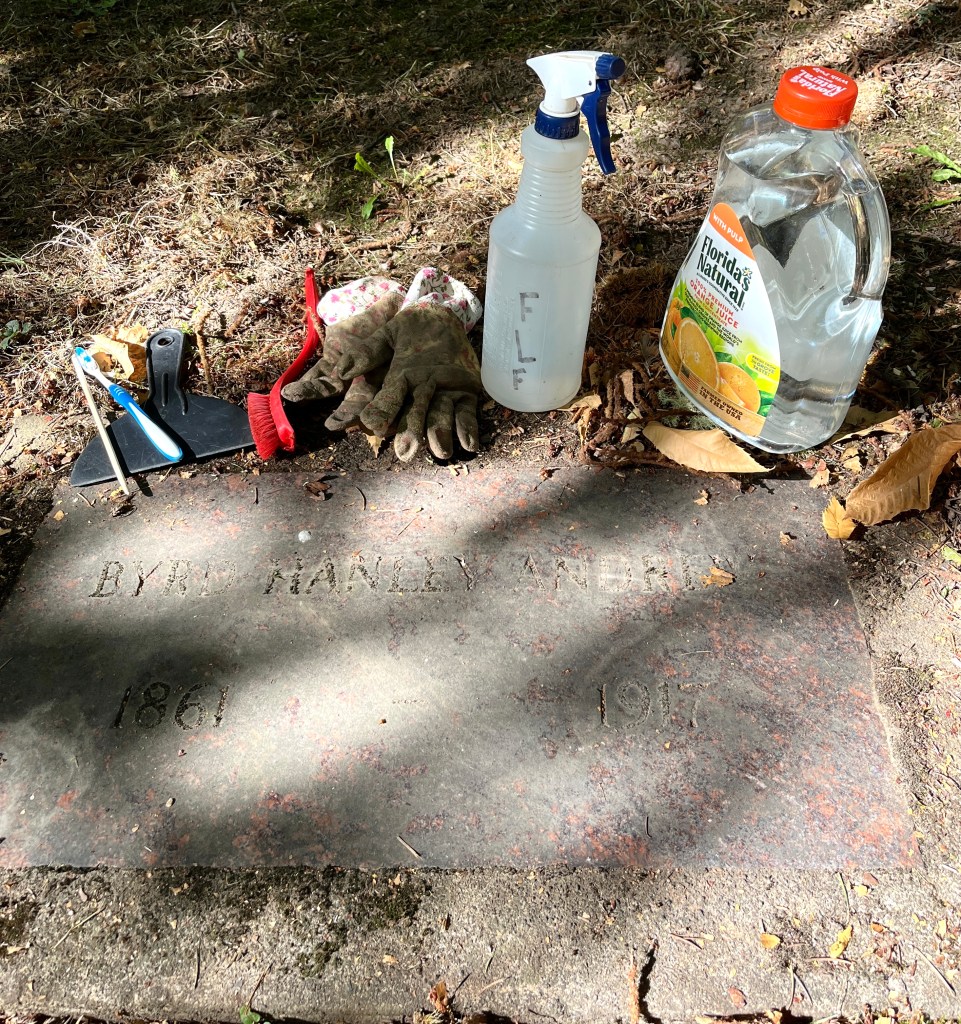
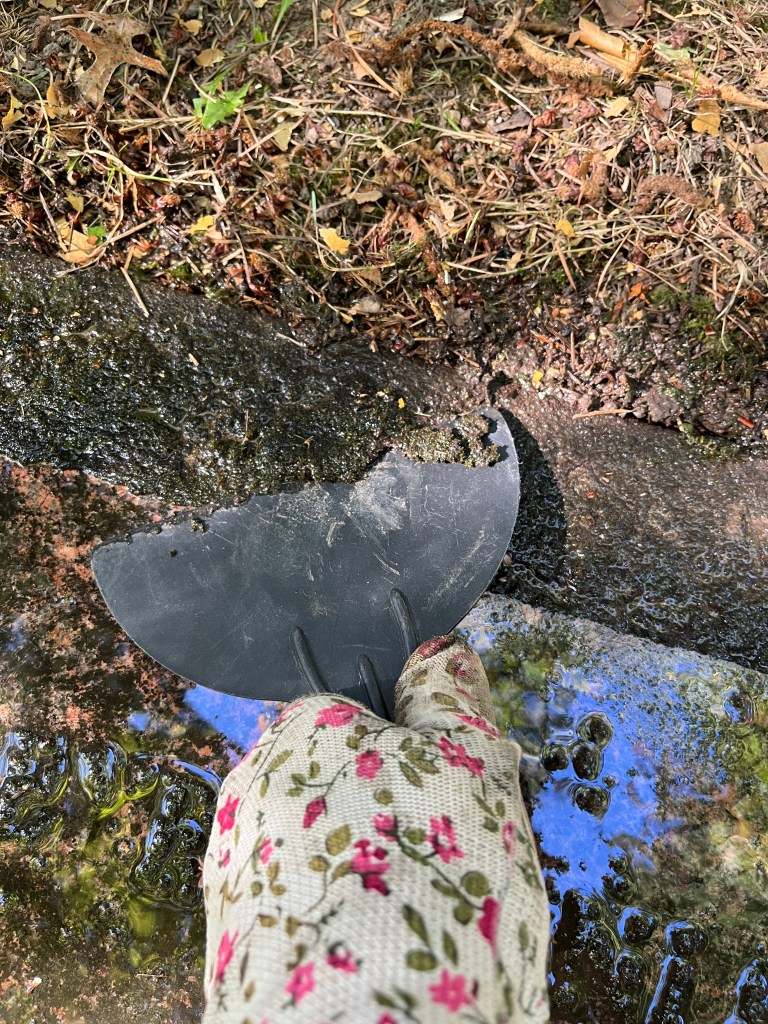
On my first trip to help, I took along the Friends of the Lone Fir recommended kit: Lots of water and a variety of plastic scrubbers and scrapers. I even wore gloves!

I poured on a lot of water to soften the crud, then used the plastic scraper to dislodge the heaviest moss encrustations.

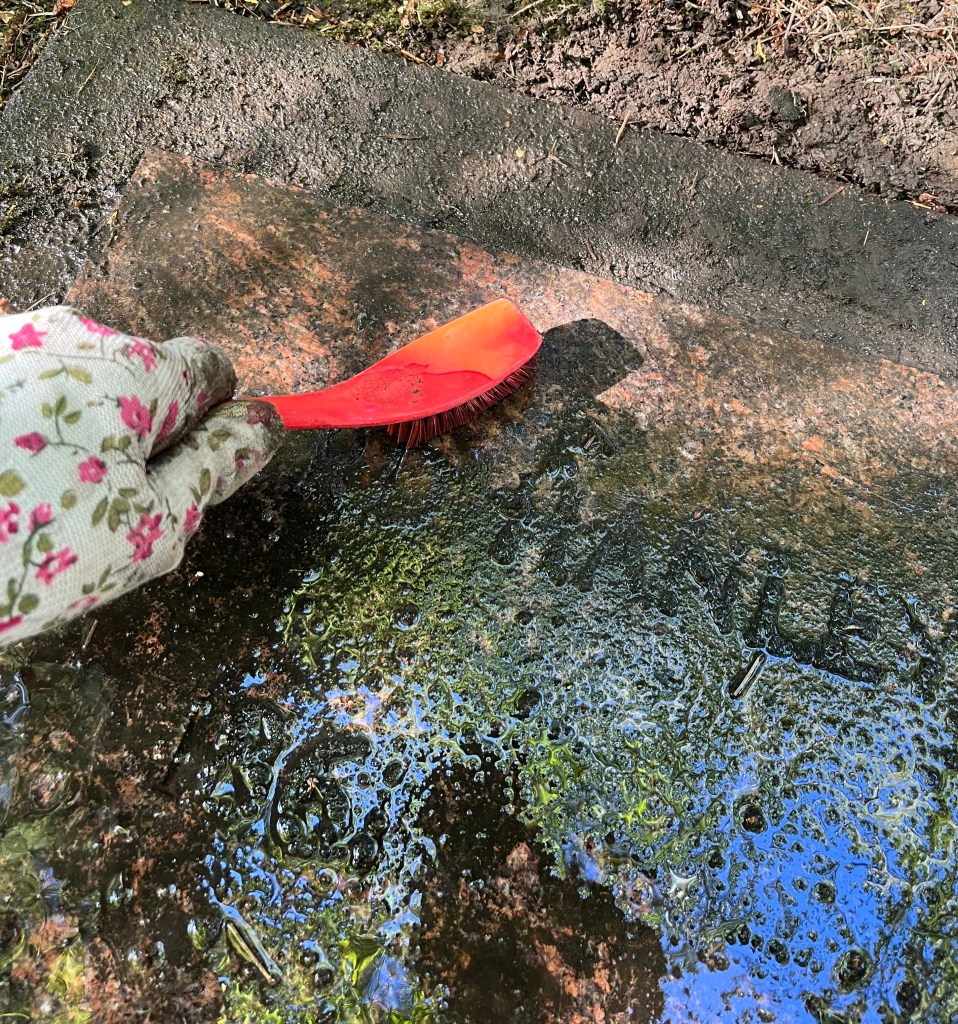
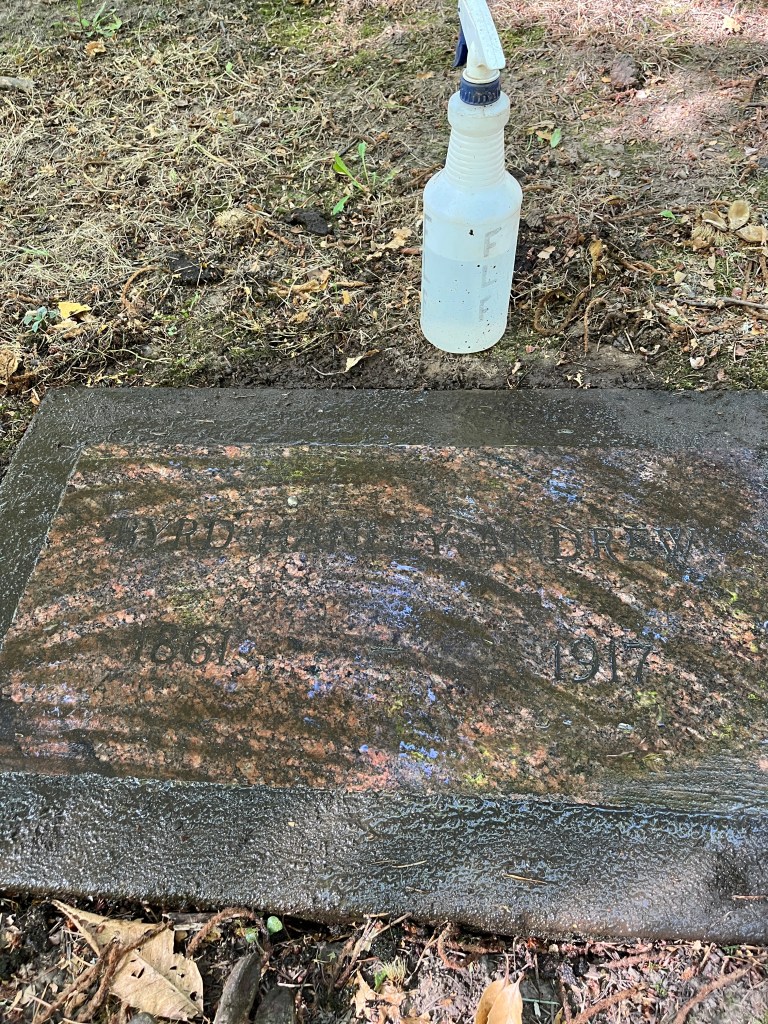
More water and gentle scrubbing with a plastic brush revealed most of the lettering.

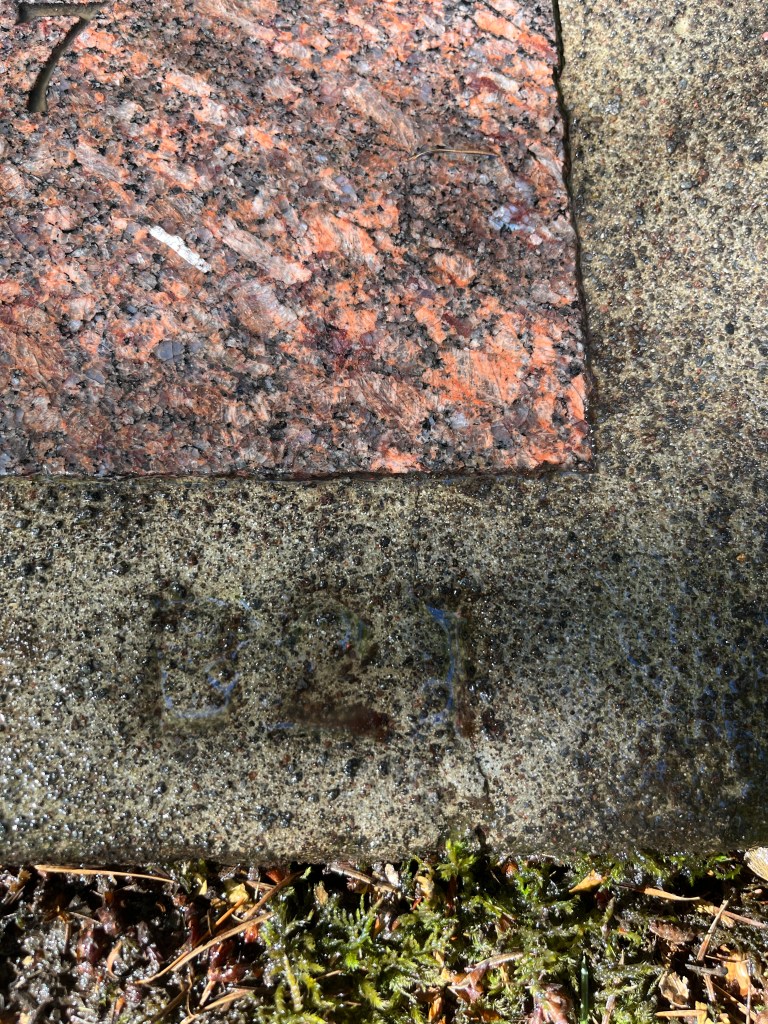
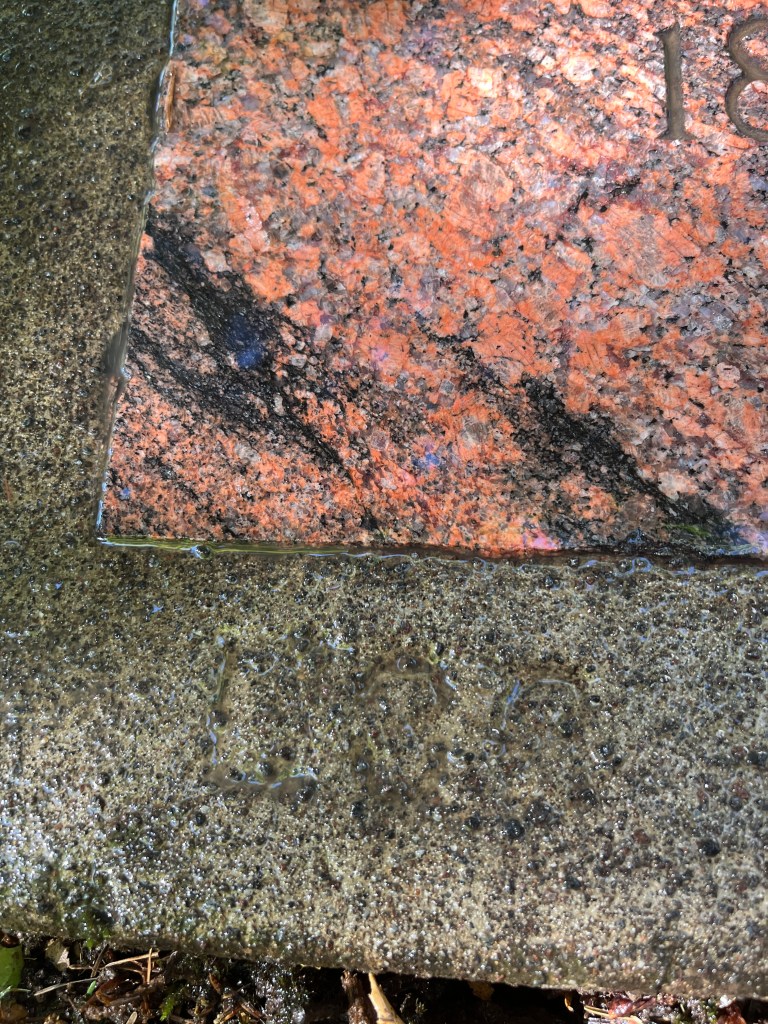
I used a wooden chopstick to get into the letters and numbers, but was frustrated by the numbers pressed into the concrete surround.

I wish they were clearer, because I’m sure they mean something. Maybe L23 and B21?
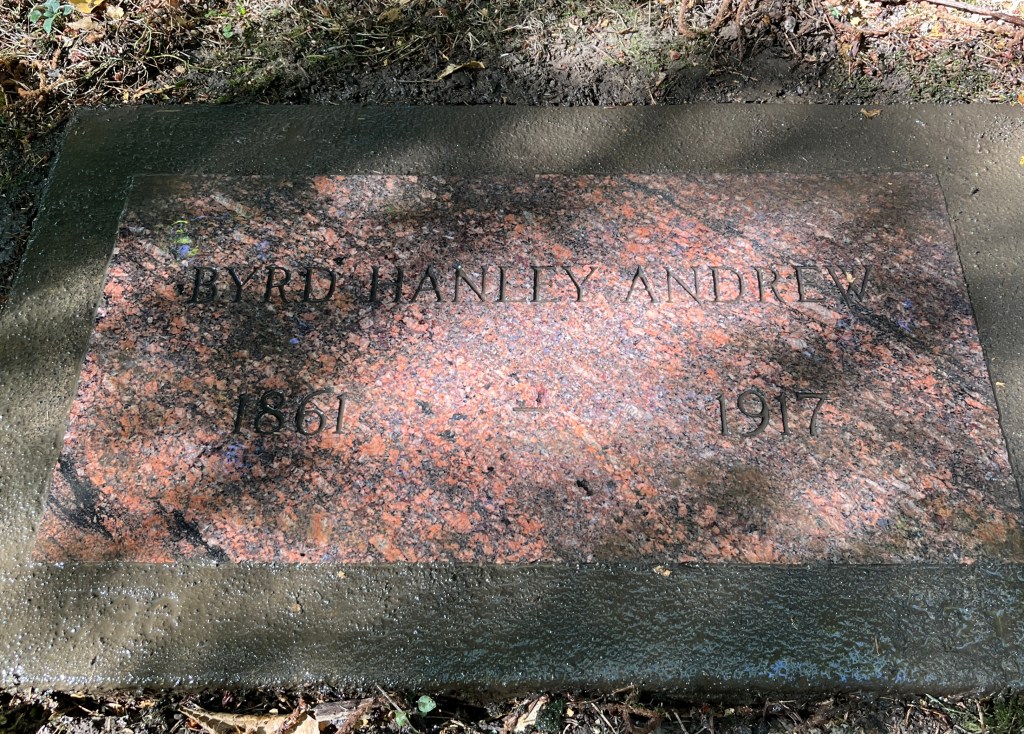
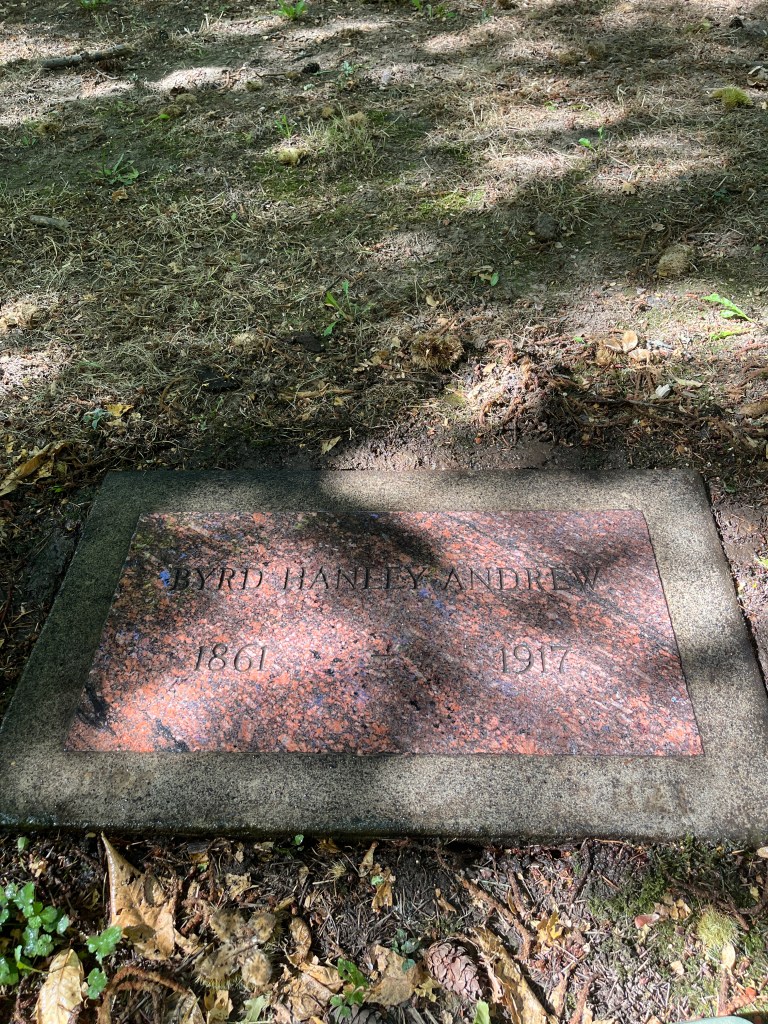
When I ran out of oomph after an hour, I was pleased with how Byrd Hanley Andrew looked, and happy that I had done something to preserve this wonderful, fragile old place.

Love,

Grandma Judy

Another Map Quilt?

Dear Liza,

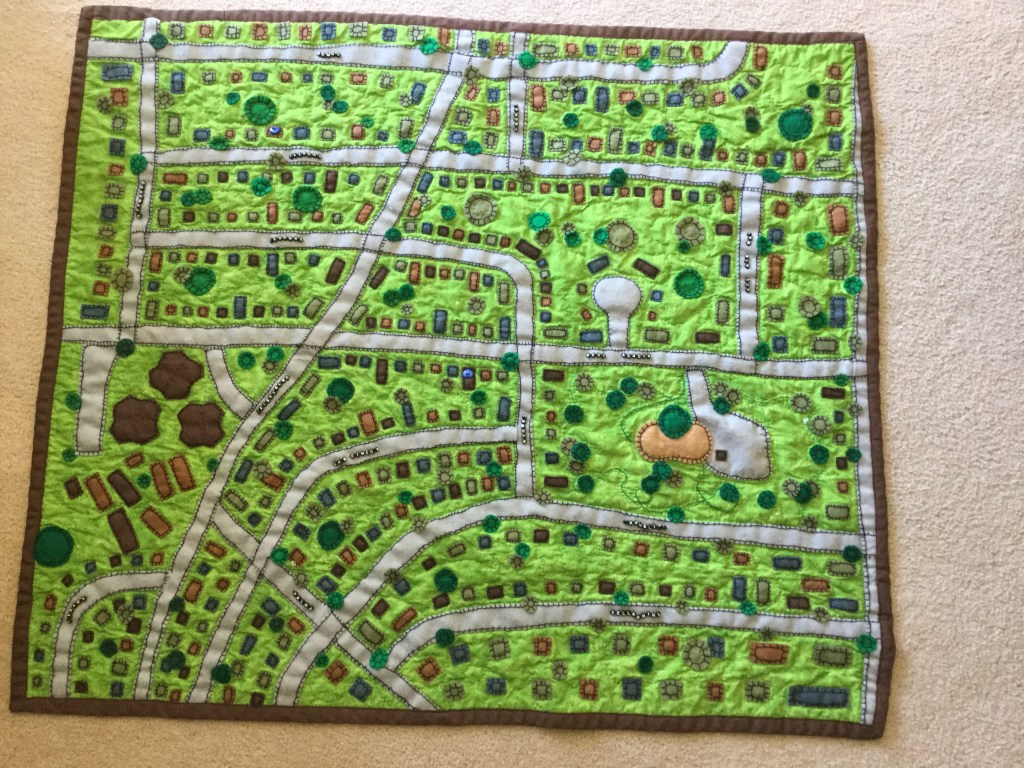
You know I love maps, and I love quilts. So, over the years, I’ve made a few quilted maps. When you were little, I made this map of our old neighborhood in Salinas. There are a lot of people and places I love on that map!

And now, being slightly obsessed with France, I am planning a hexagonal shaped quilt. It’s an interesting idea, since the shape of that country is sort of hexagonal, and even is nicknamed “L’Hexagone” because of its six-sided outline.

A few years back I made a folding paper map of France, and it was hexagonal. I really liked it, but didn’t know what to do next. Now I’ve figured it out.

But first, I had to make a good sized hexagonal pattern from newspaper. I don’t want this quilt to be bed sized, but maybe lap-sized. It’s mostly an art project.

I got the length ratios from your Daddy David and the proper angles from Auntie Bridgett, and cut my newspaper pattern 92 cm across, about three feet.

Screenshot

I have chosen my color palette from a website called color palettes.net. This photograph was taken by Svitlana. They aren’t typical map colors, and I like that. Now I need to hunt for these colors in suitable fabrics so I can get started.

I will keep you posted as I go along.

Love,

Grandma Judy

Off to Meet the Vikings

Dear Jasper and Kestrel,

After the Forest Tower, we were all happily exhausted, but our day wasn’t over yet. There were reservation snafus and rearranging of expectations, which is a bit jarring, but always good experience.

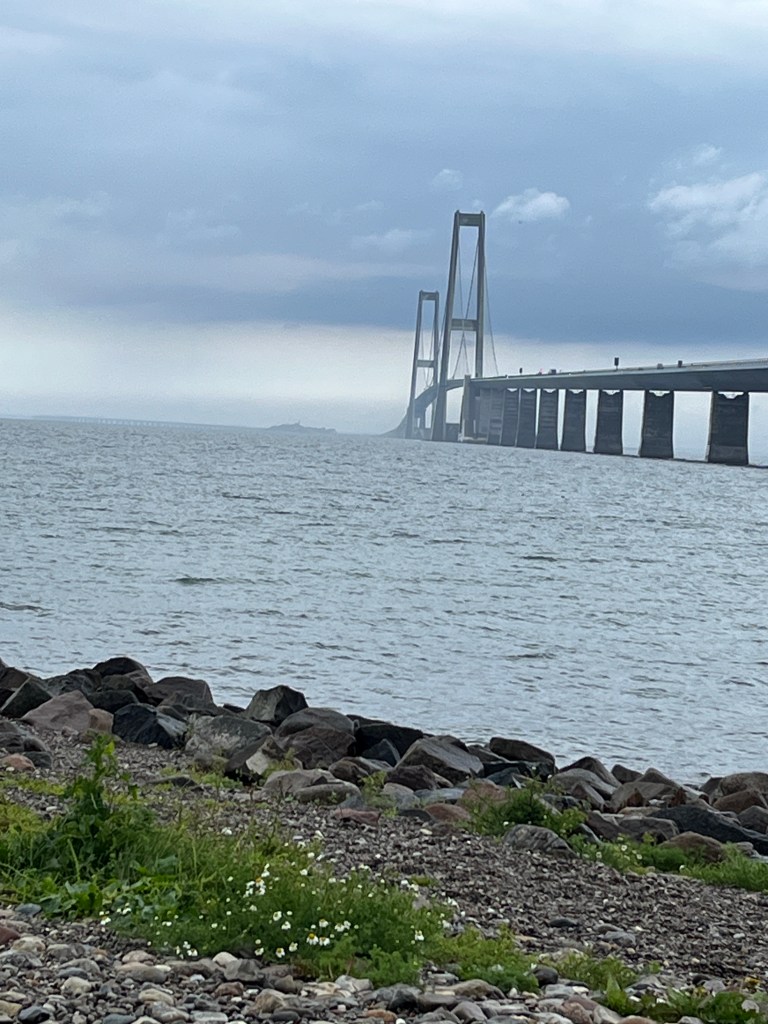
We found a beautifully renovated hotel called Portgaarden in Skaelskør, had a delicious dinner, slept very well, and had a fabulous breakfast. Part of our morning was spent chucking rocks on the beach under the Storebaeltbor, the Great Belt Bridge that connects the island of Sjelland to Fyn.

This huge construction has a suspension part that is more than four miles long (more than twice as long as the Golden Gate Bridge). Then there is a lower causeway section hat is also just a bit over four miles long. It is an amazing accomplishment. We will cross that this afternoon.

But we were headed to see some old, old friends. The oldest friends in Denmark, in fact. The Vikings.

At Trellborg, we got to see the archeological remains of an actual Viking village, where hundreds of families lived, worked, raised children, and fought off enemies, starting in 980 A.D.


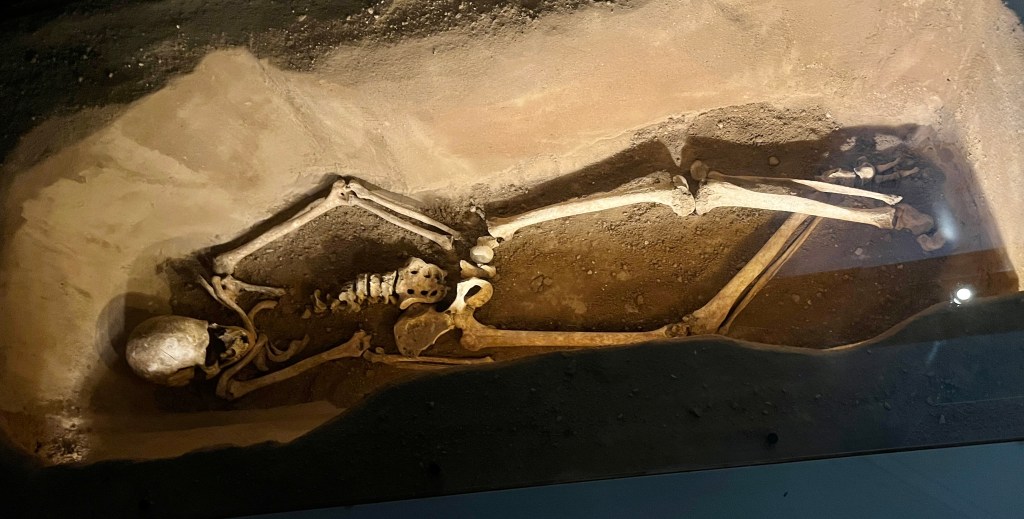
We saw their clothes, their weapons, and their graves.

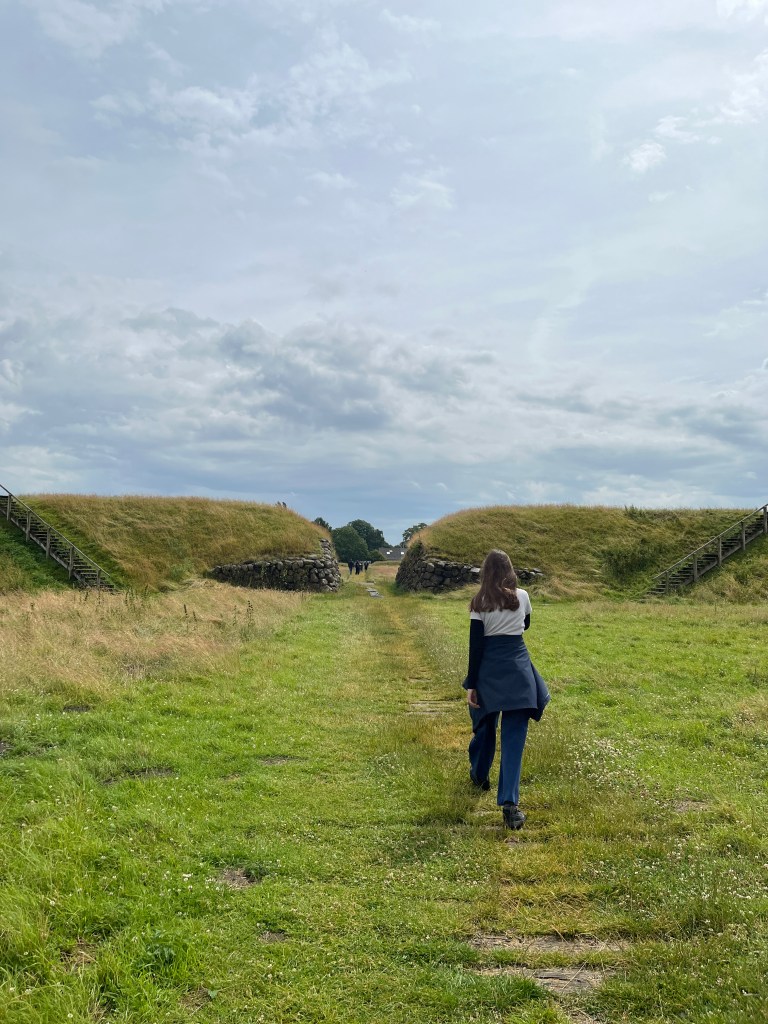
Then we walked out into the round berm where they placed their houses, arranged for safety and society.


A model shows the overall view… some houses inside the berm, some outside for tending the sheep and the crops.

The outlines of these houses are still visible, covered in concrete to preserve them for future study. This is the best preserved Viking fort in Denmark, and there is still a lot to learn about it.

And it felt very real, very personal. These were mothers and kids, fathers and husbands, working together in a difficult situation, doing the best they knew how. From the archeological evidence, it looks like the fortress was built quickly and only occupied for about 15 years, then abandoned after a massive battle and fire.

The futility of all their work and vulnerability in a violent time leads me to think less about raiding Viking armies and more of the people who stayed home, keeping their society going. I have learned a new viewpoint. Travel does that.

Love,

Grandma Judy
Meeting Eloisa at Fort Vancouver

Dear Liza,

Fort Vancouver, Washington, is a historically accurate re-built fort that the Hudson’s Bay Company used as the hub of its fur trading network here in the northwest from 1825 to 1866. Seeing it again this week with a proper guide, I learned so much!

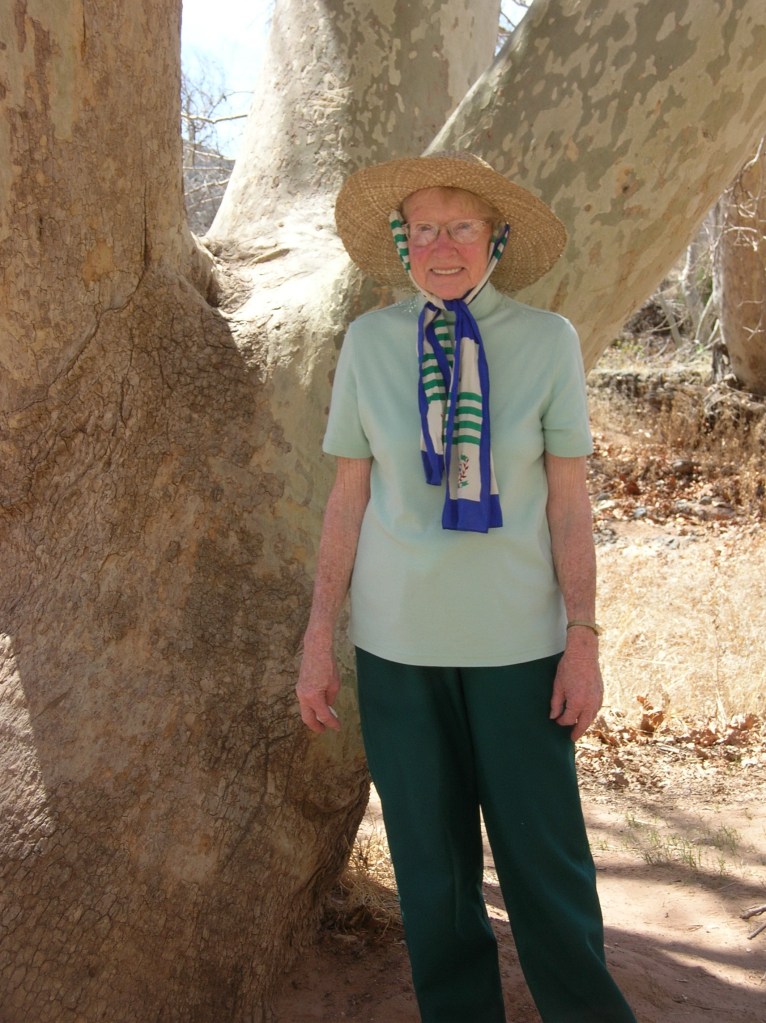
Britt, a wonderful Lone Fir volunteer who portrays “Bunko Kelly” on the Tour of Untimely Departures, had made the arrangements after learning that some folks connected to the Fort are buried right here in our own Lone Fir Cemetery.

Tammy Williams was our guide. She is so knowledgable and enthusiastic that she made the fort come alive! Her explanations of artifacts and the actual smells of the cookhouse let us feel the daily routines of trading pelts for goods, cooking for twenty people or more at a meal, and raising children of white, Indian, Hawaiian, and mixed lineage.

In particular, Tammy told us of Eloisa, one of Chief Factor John McLoughlin’s children. McLoughlin is often called the Father of Oregon for his running of Fort Vancouver in support of the American Pioneers who first came to Oregon.

Eloisa was born in Fort William, Ontario, while her father was stationed there. She was seven years old in 1824, when her family came to Fort Vancouver.
She married William Glen Rae, a man of violent temperament. They moved to Fort Stikene, Alaska, when William was assigned to the Hudson’s Bay Fort there. Eloisa hated the place, which was badly run and riddled with alcohol-fueled violence. She gave birth to her second child on the boat from Alaska back to Oregon.


William moved to another of the Company’s forts in Yerba Buena, what we call San Francisco. After her recuperation from childbirth, Eloisa and the children joined him.

Created with GIMP

Eloisa described Yerba Buena as a vibrant, interesting place. She saw bull and bear fights and partied with Spanish ladies and gentlemen.

William’s drinking and bad decision-making lead to his death by suicide, and widowed Eloisa and her children returned to Fort Vancouver. She re-married a manager of The Hudson Bay Company, Daniel Harvey, and had three more children. Sadly, Eloisa was a widow again at age fifty.

Eloisa’s life was exciting and tragic, full of experiences that were rare for women of her age, like traveling by steamship to Hawaii, and common, such as being widowed twice by age fifty. Eloisa passed away in 1884 at the age of 66, and is buried in our own Lone Fir Cemetery, alongside Daniel Harvey, Sr., and her sons Daniel Harvey, Jr., and James William McLoughlin Harvey. I will visit her next time I am in the neighborhood.

Love,

Grandma Judy

Poetry vs Power

Dear Liza,

Your great grandma, Billie Evans, read a lot of poems. Those that she really loved, she memorized. “So I could always have them with me,” she said.

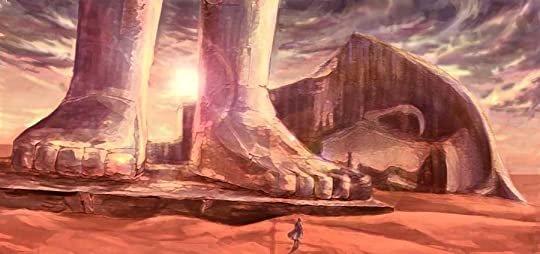
“Ozymandias”, by Percy Shelly, was one of those. She loved the description of the great sculpture, now in ruins, in the middle of a desolate land. Mostly, she loved the twist at the end. Have a read, then I’ll give you an update on the Big Man himself.

Ozymandias 

BY PERCY BYSSHE SHELLEY

I met a traveller from an antique land,

Who said—“Two vast and trunkless legs of stone

Stand in the desert. . . . Near them, on the sand,

Half sunk a shattered visage lies, whose frown,

And wrinkled lip, and sneer of cold command,

Tell that its sculptor well those passions read

Which yet survive, stamped on these lifeless things,

The hand that mocked them, and the heart that fed;

And on the pedestal, these words appear:

My name is Ozymandias, King of Kings;

Look on my Works, ye Mighty, and despair!

Nothing beside remains. Round the decay

Of that colossal Wreck, boundless and bare

The lone and level sands stretch far away.”

Shelly wrote the poem in 1818, when Europe was fascinated with ancient Egypt after Napoleon’s army there brought back bits and pieces of the crumbled civilization. Broken chunks of mighty statues were all that was left. Shelly saw the futile and fleeting nature of power, and gave his take on it.

All this came to mind this morning because of two stories in the news.

Archeologists in Egypt have found what appears to be the top half of the statue of Ozymandias (also called Ramses II, the pharaoh named in Exodus), the same statue that inspired Shelly.

I’m thinking about this while watching the news about claims of “absolute immunity.” I love that Ramses II is still broken and that Shelly’s poem is still wonderful. Poetry outlasts Power.

Love,

Grandma Judy

Inspiration from Everywhere

Dear Liza,

When I was teaching, we talked a lot about creating ”life-long learners. In talking with the students I have kept in touch with, I see that I was mostly successful. And I was very successful in becoming one myself.

Since I have been retired, I have had lots of time to learn new things.

I have studied the histories of Paris and Portland, The Monarchs of France and England, How to write mysteries, and The history and structure of Broadway Musicals..

The inspiration to learn something new can come from anywhere. A random “Why on Earth…?” can lead me down a internet and library rabbit hole for a week or more.

And sometimes the inspiration comes from you, Liza. Our Sunday Evening Art Zooms give me reason to draw something I normally wouldn’t, and stretch me a bit.

I have drawn Anime characters while you told me their stories and then drawn a robot and then made up a story about him. And everytime, I learn something new about faces, or color, or composition.

Keep learning!

Love,

Grandma Judy