
May 14
Dear Liza,
Once they got settled in, the Roman Empire was in Lyon for a long time. For 368 years, from 43 AD to 411 AD, the Roman Empire built and ran Lyon, which was then called Lugdunum.
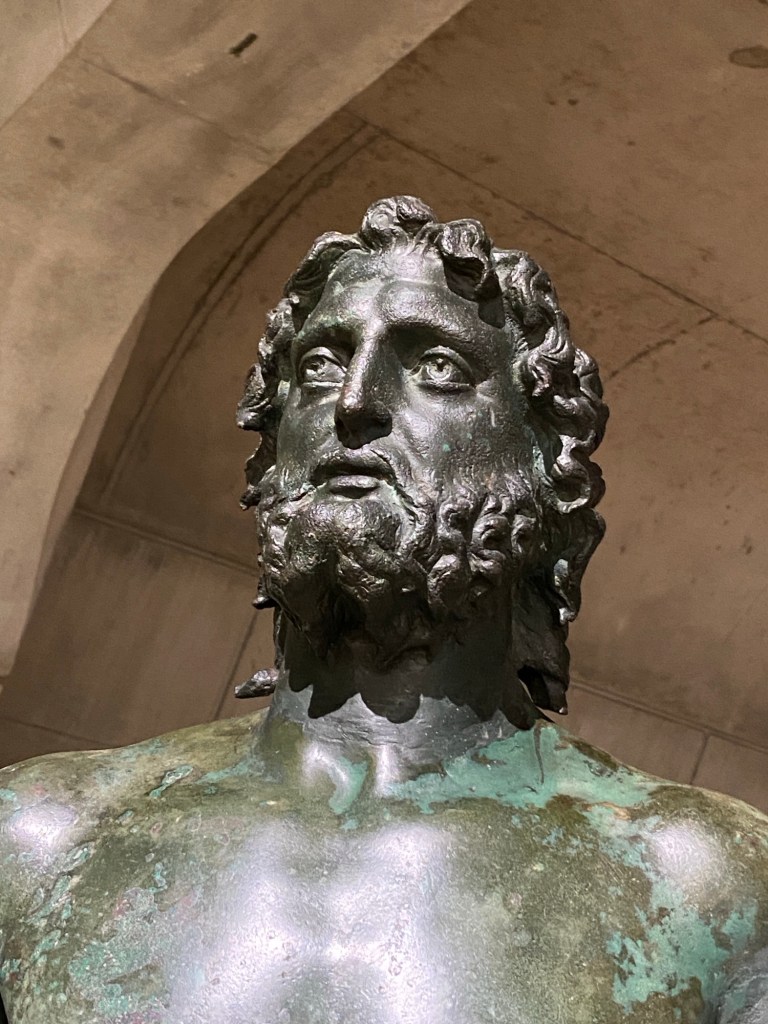
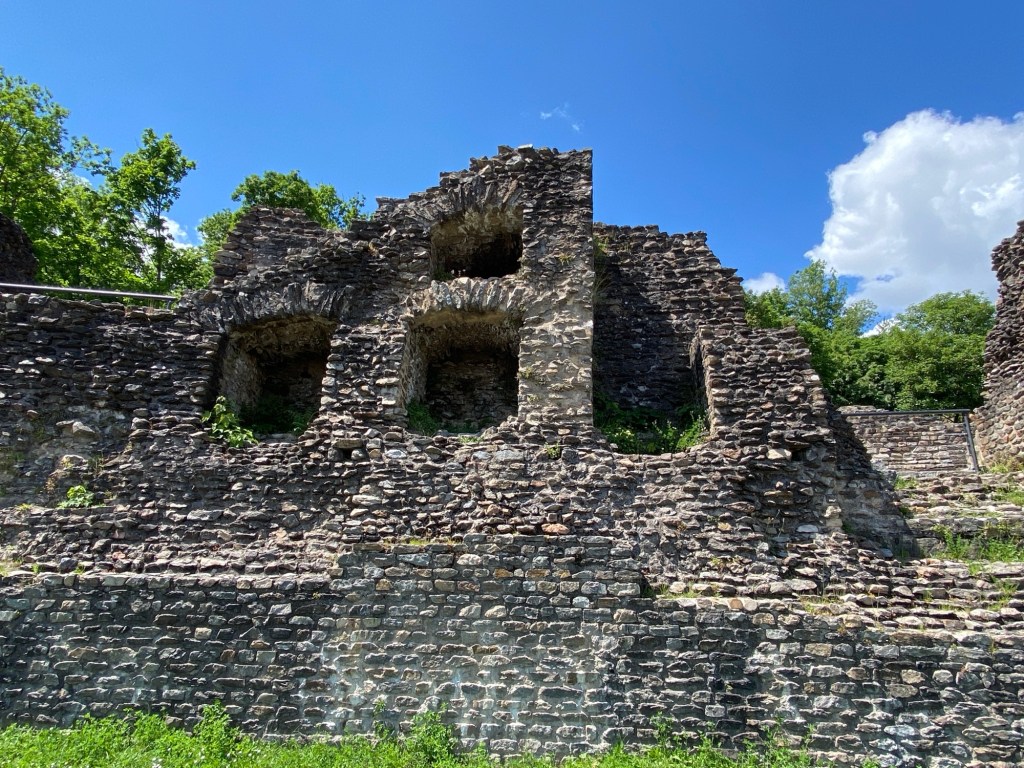
It’s no wonder, when the Empire fell and the Roman army left, that a lot of stuff was left laying around.
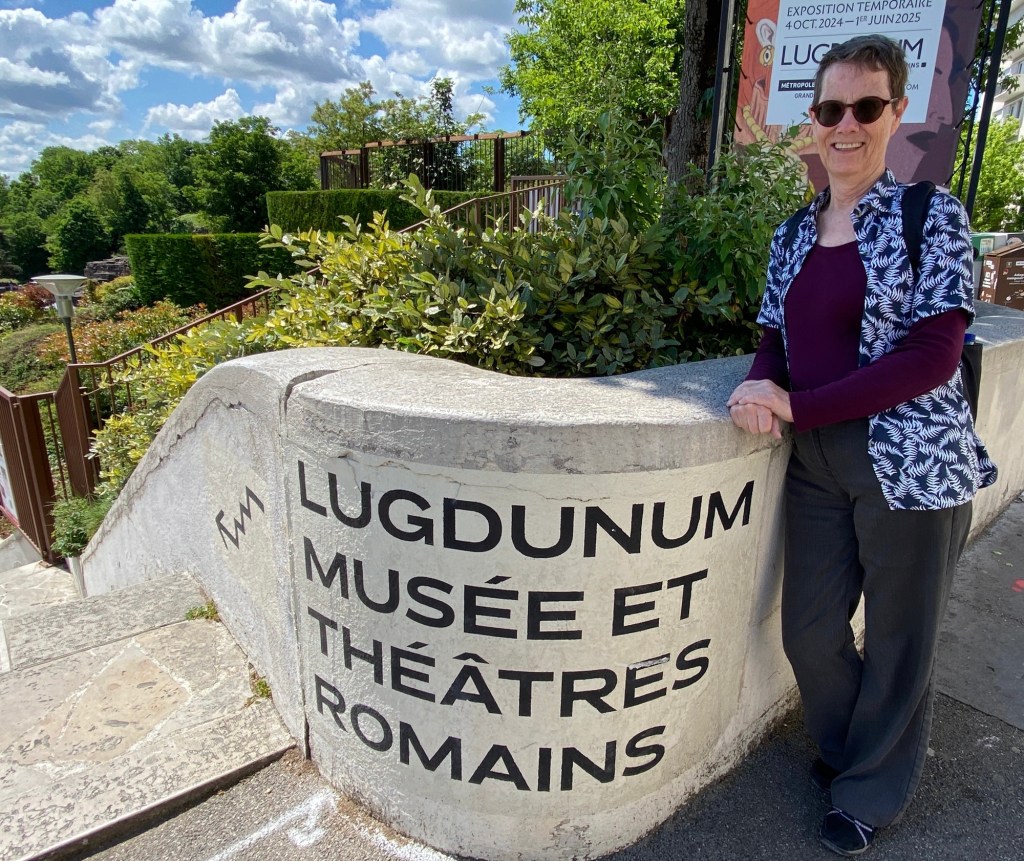
Great piles of that stuff has been collected by folks who came later, from Medieval farmers to modern archeologists, and put into this wonderful, modern Musée at Lyon.
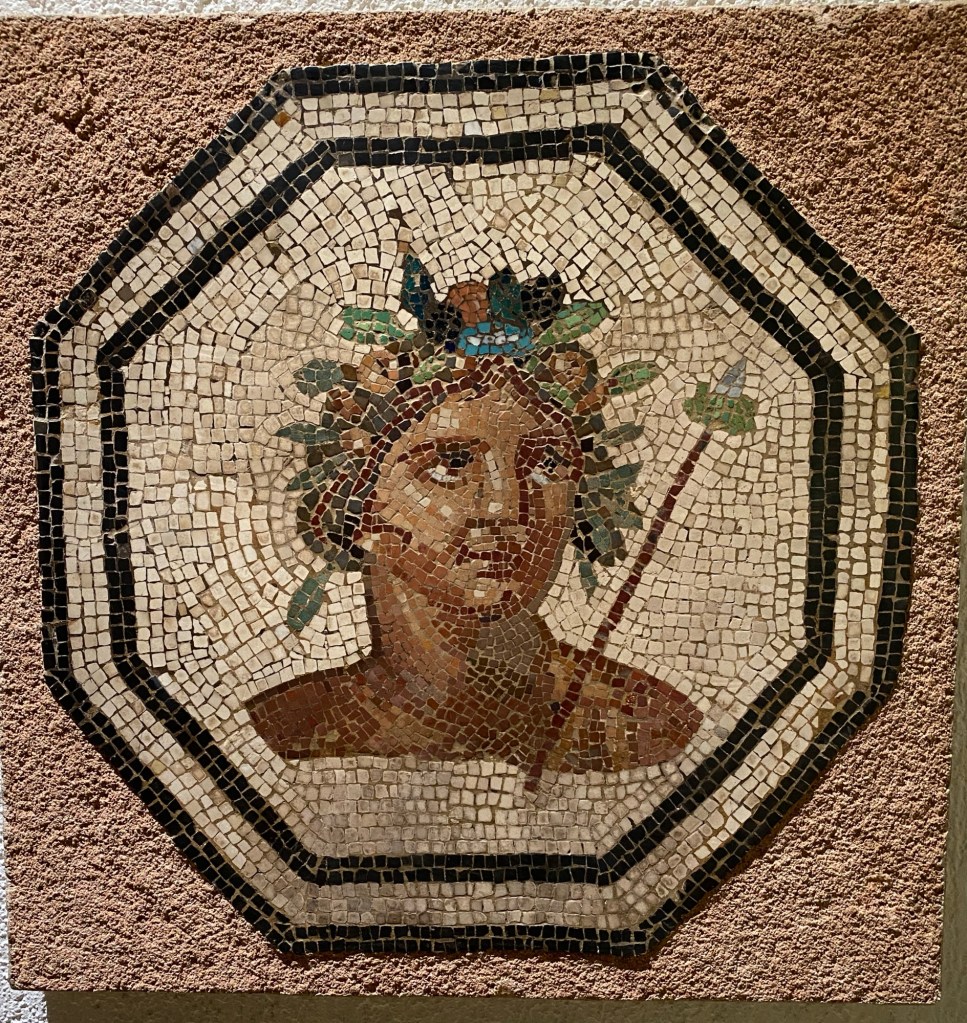
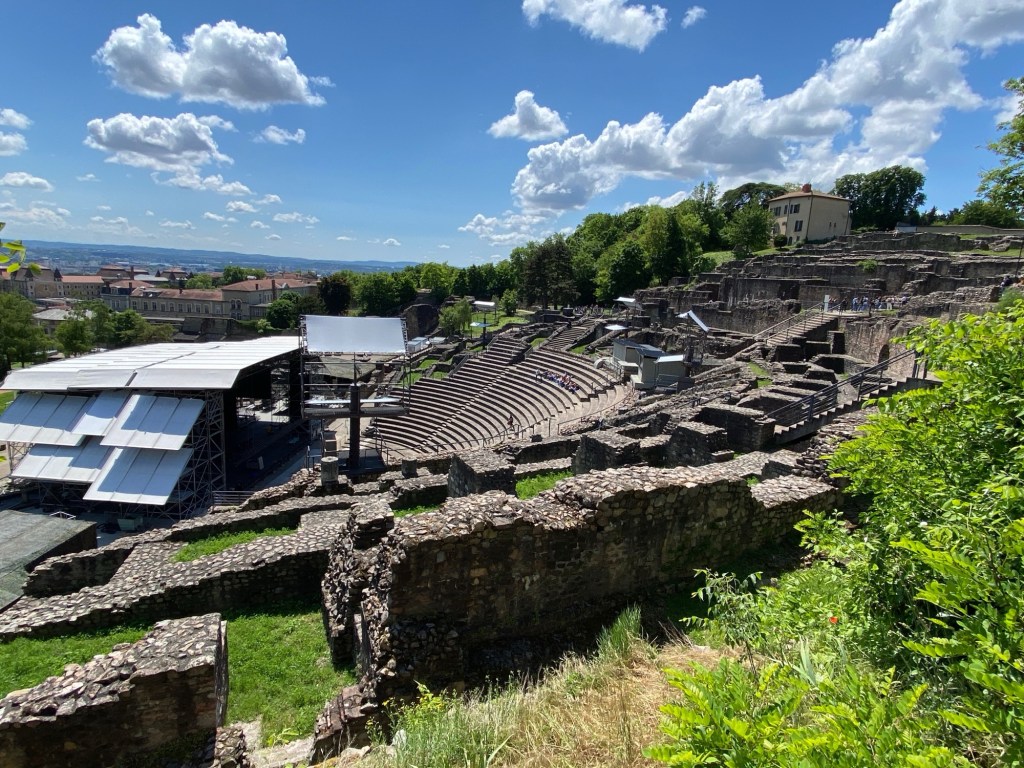
The museum itself is a wonder. Built right into the back wall of the cliff that houses the amphitheater, it spirals down, leaving only the entrance and a few windows to give it away. Artifacts are arranged by era and type, so we can see the progression in ceramics, jewelry making, and glass work.
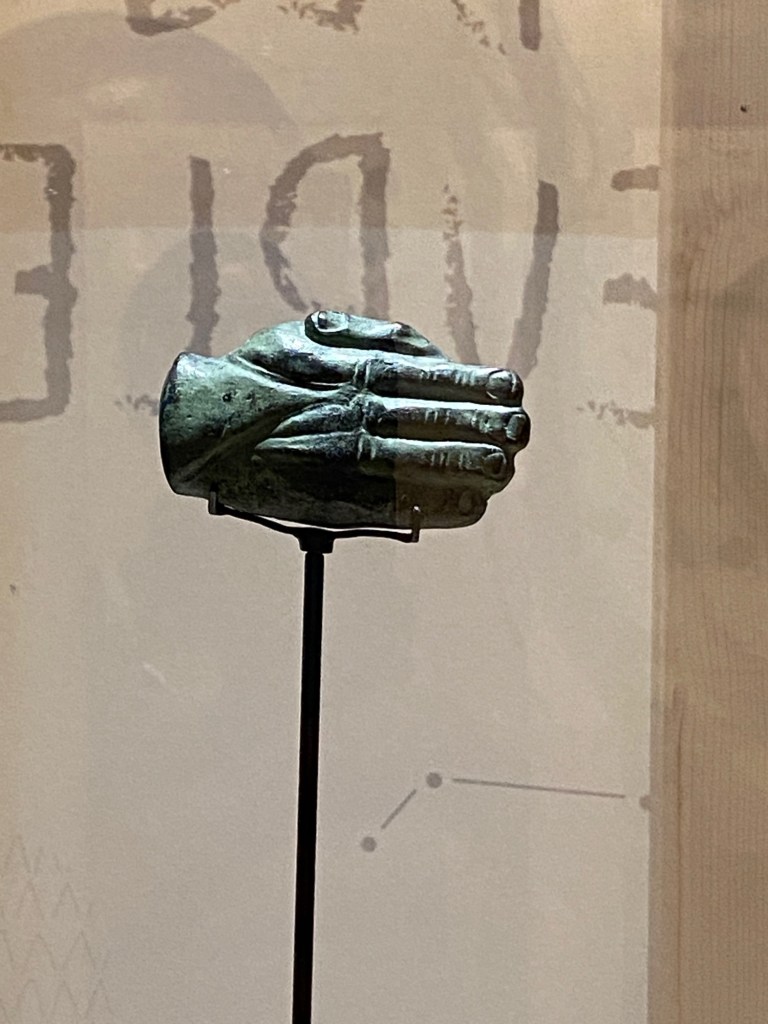
We get to see the variety of religious articles, from tiny pocket divinities to greater than life sized statues that Romans looked to for comfort and protection.
And the floors. I told you there would be floors, didn’t I? Many of the houses of Lyon, once they were properly excavated, were found to have these magnificent mosaic floors.
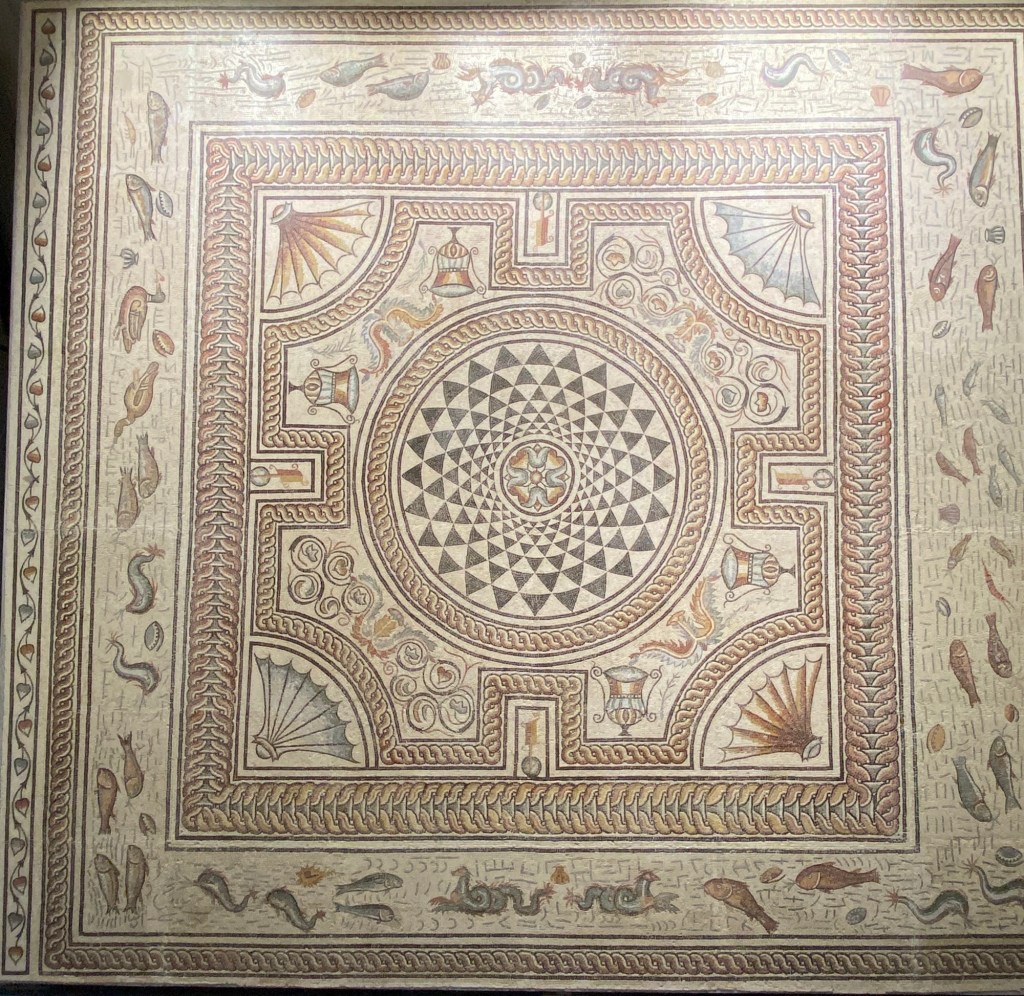
I actually got emotional, sitting right there, touching a floor that Roman moms played with their babies on, that dogs ran across, that people hugged and cried and celebrated on. These weren’t characters in a stone fresco. They were humans, making their way through life.
We kept spiraling our way down, learning about how people moved around the Empire, from Turkey and Spain, Germany and Iraq, to make the Empire diverse and powerful.
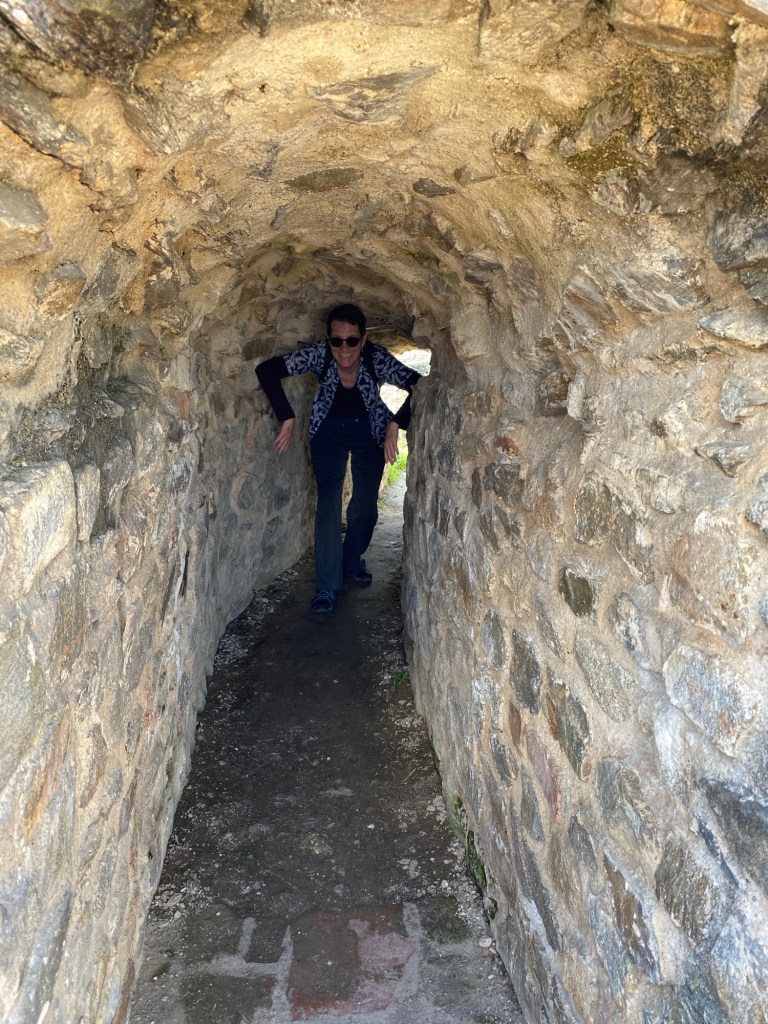
And when we reached the end, we were at the bottom of the Amphitheater, and just walked across the stage and down the road into town. From the ancient everyday world to the modern everyday world.
Amazing.

Love,
Grandma Judy
 Dear Liza