May 12
Dear Liza
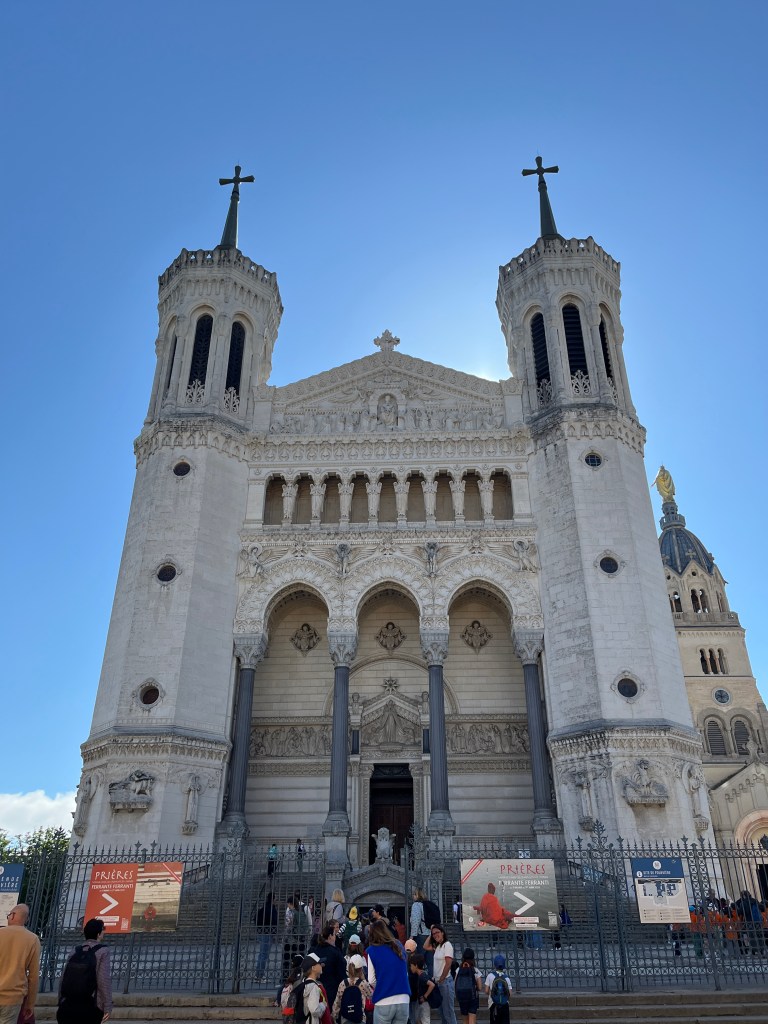
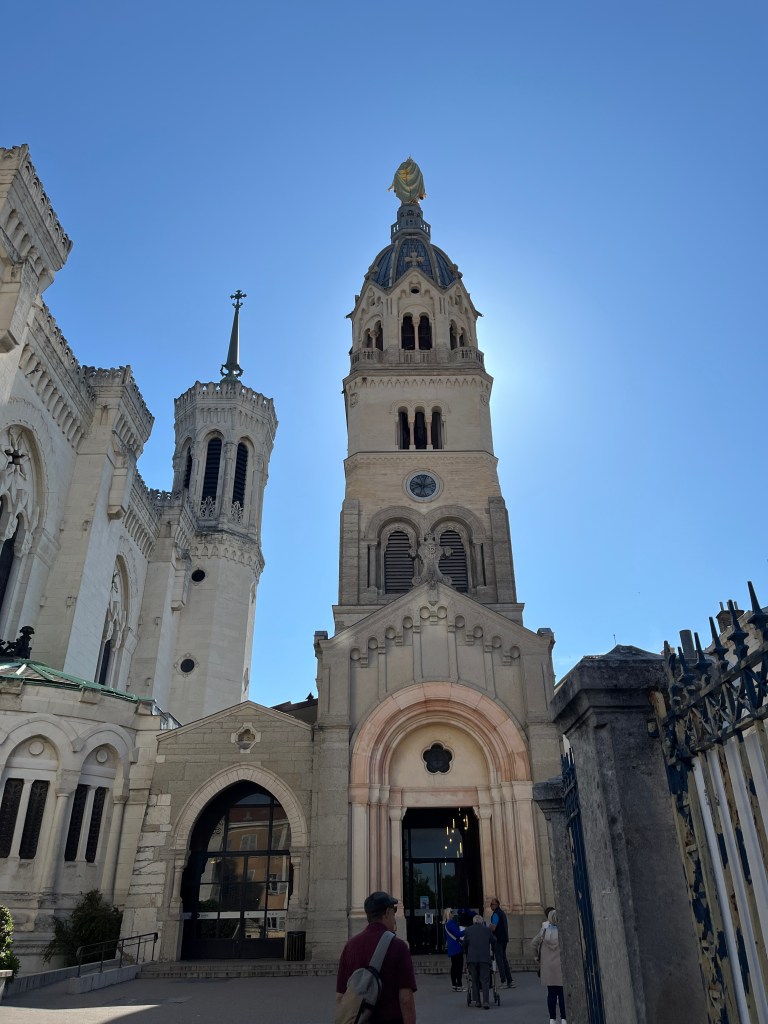
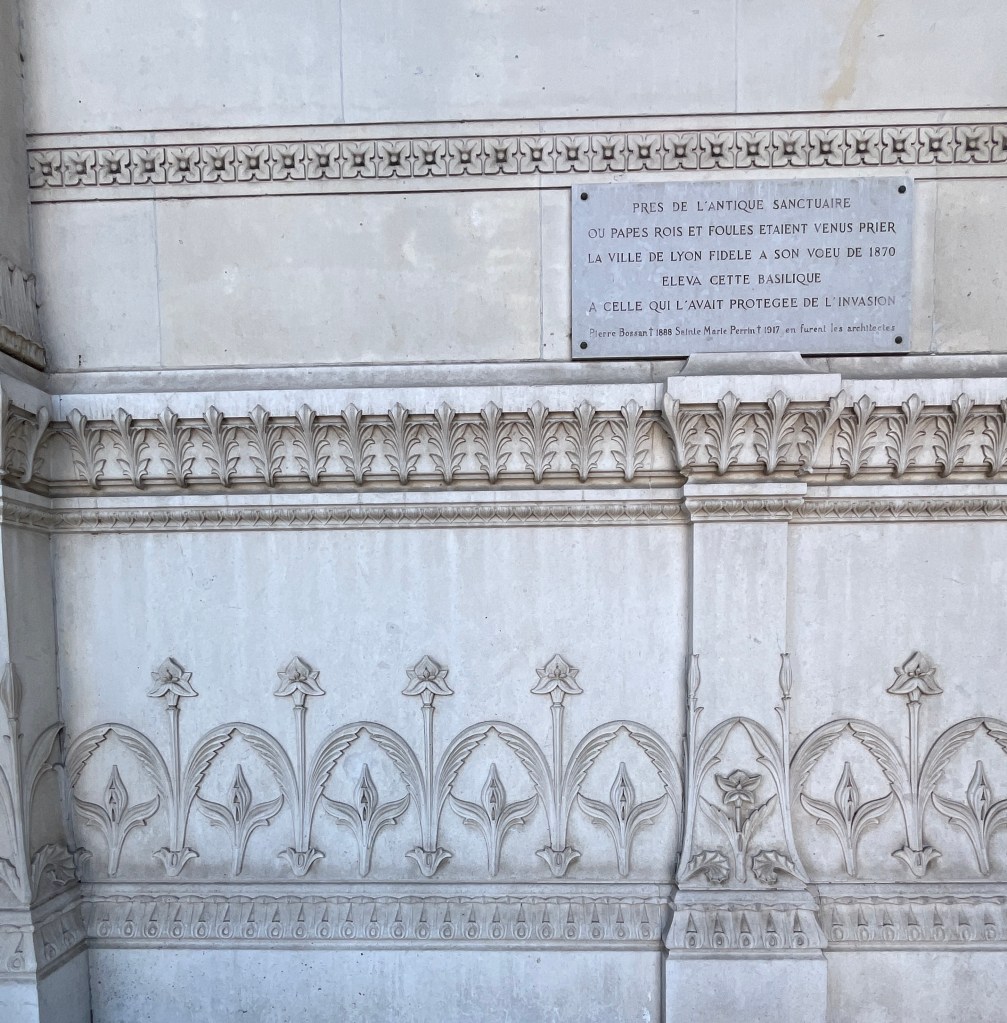
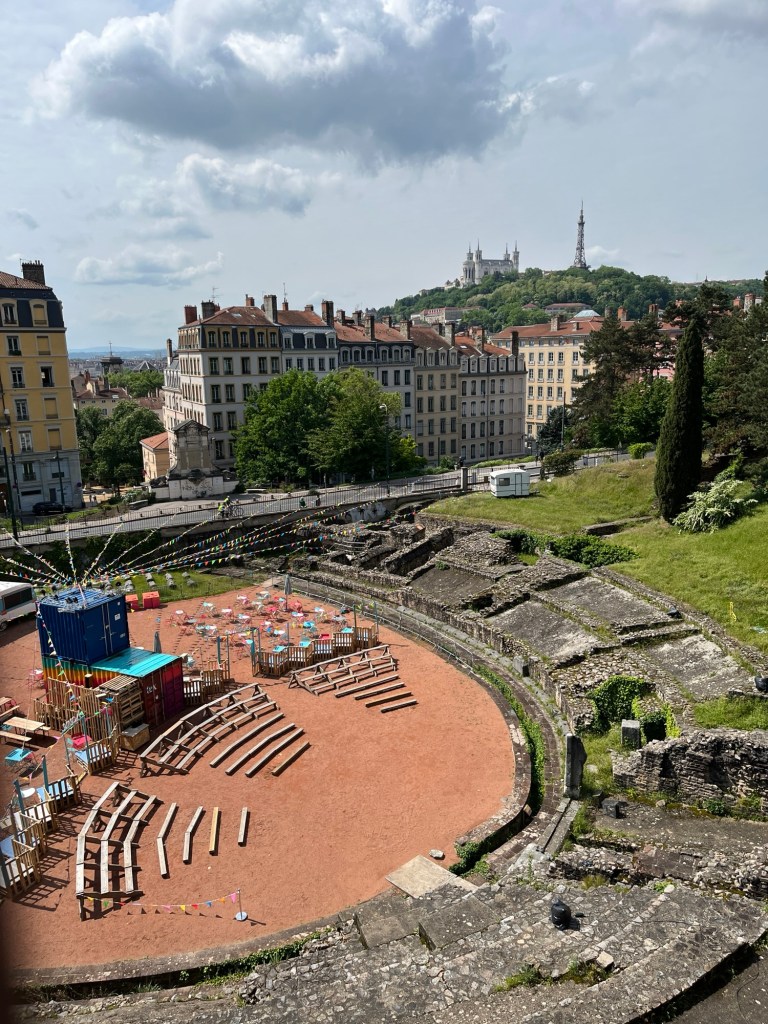
After we finished lunch at the cafe by Notre Dame de Fourviere, Bridgett and I walked about 10 minutes down the road and went even further back in history.
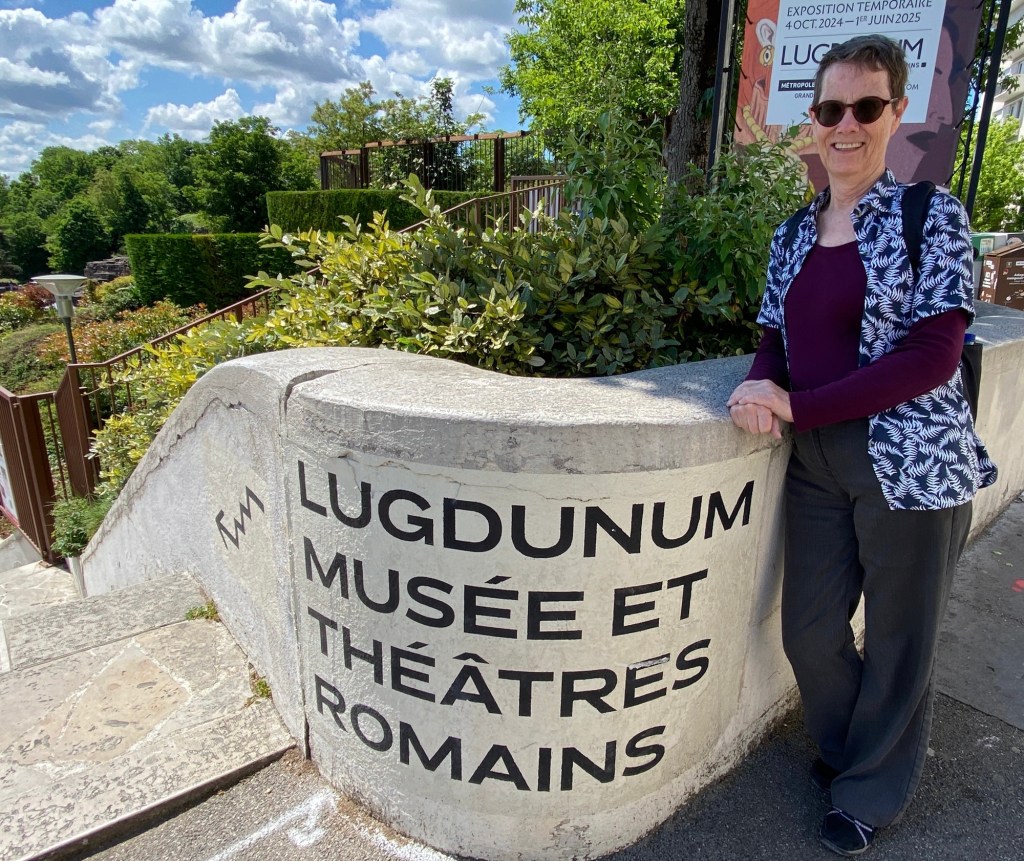
Because, you see, people have been building on this hill for many, many centuries. The Roman city of Lugdunum was built on this hill in 53 BC or so, a few years after Julius Caesar was assassinated. This city included a forum, temples, houses, baths, and amphitheaters, just like every other Roman city.
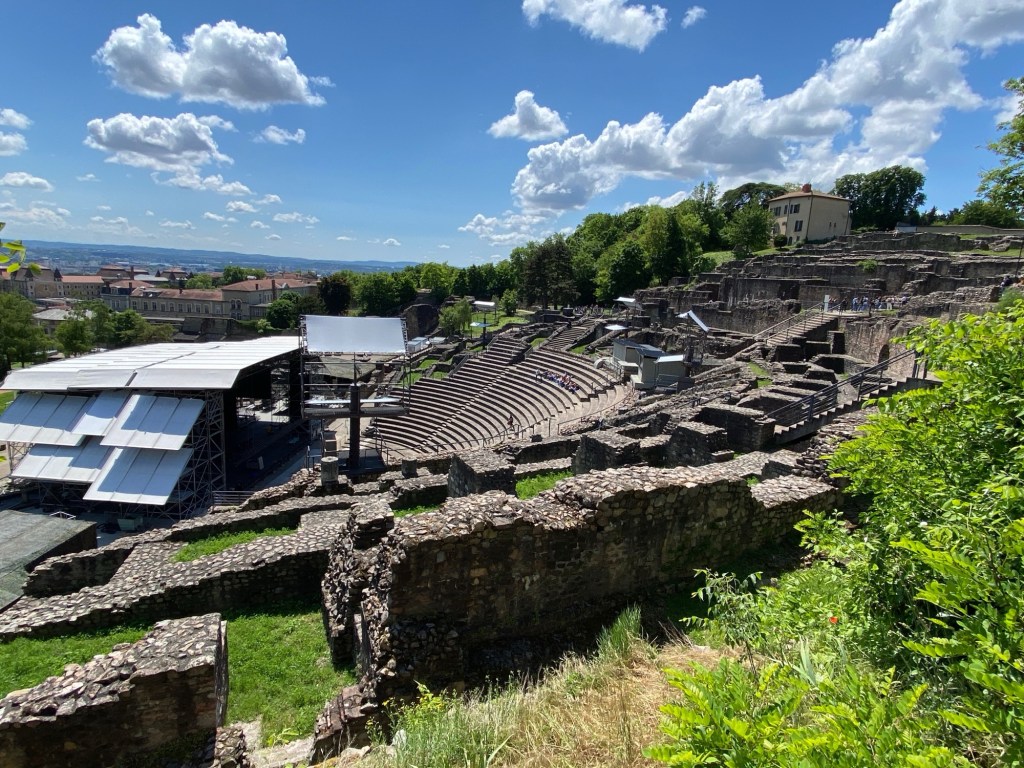
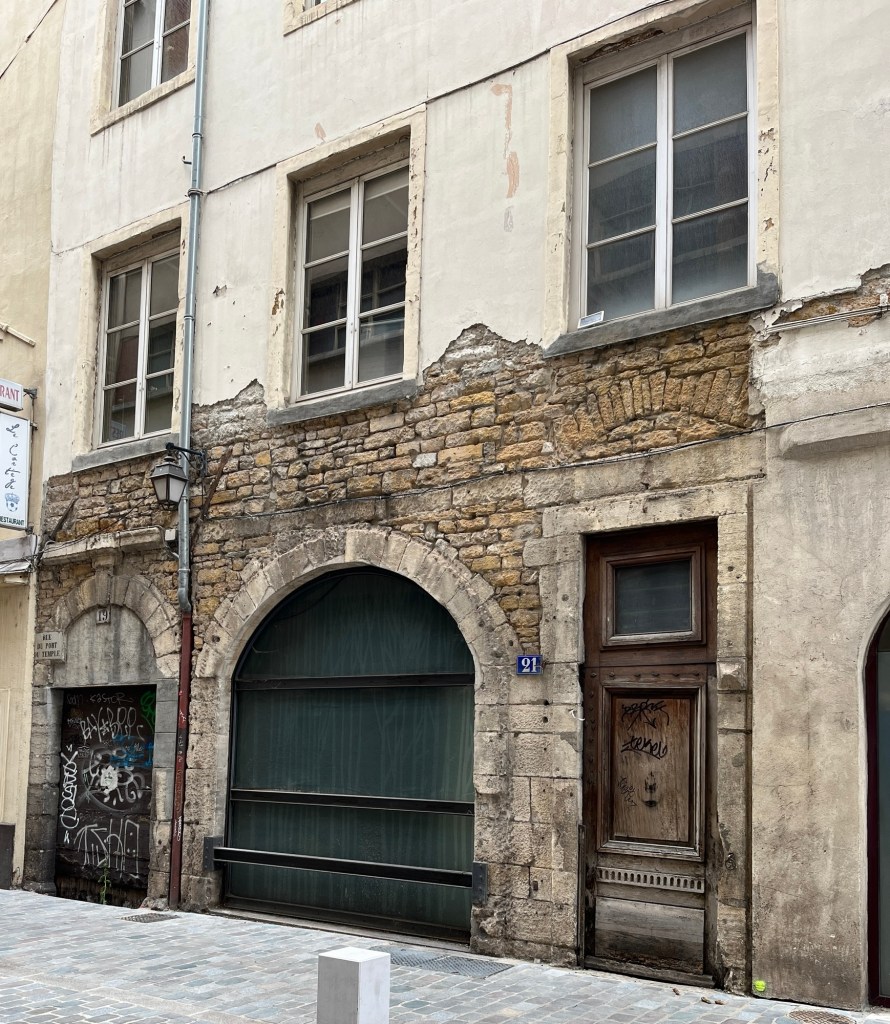
Most of the houses, which were built of stone, have been ‘recycled’ into churches and newer houses over the centuries between then and now.
But much of the main amphitheater, which could seat 10,000 people, is still here. It had been buried by silt and overgrowth; protected, ironically, by ignorance and neglect. Unearthed and repaired in the 1940s, we can now climb, sit, visit, and wonder about the people who made this place.
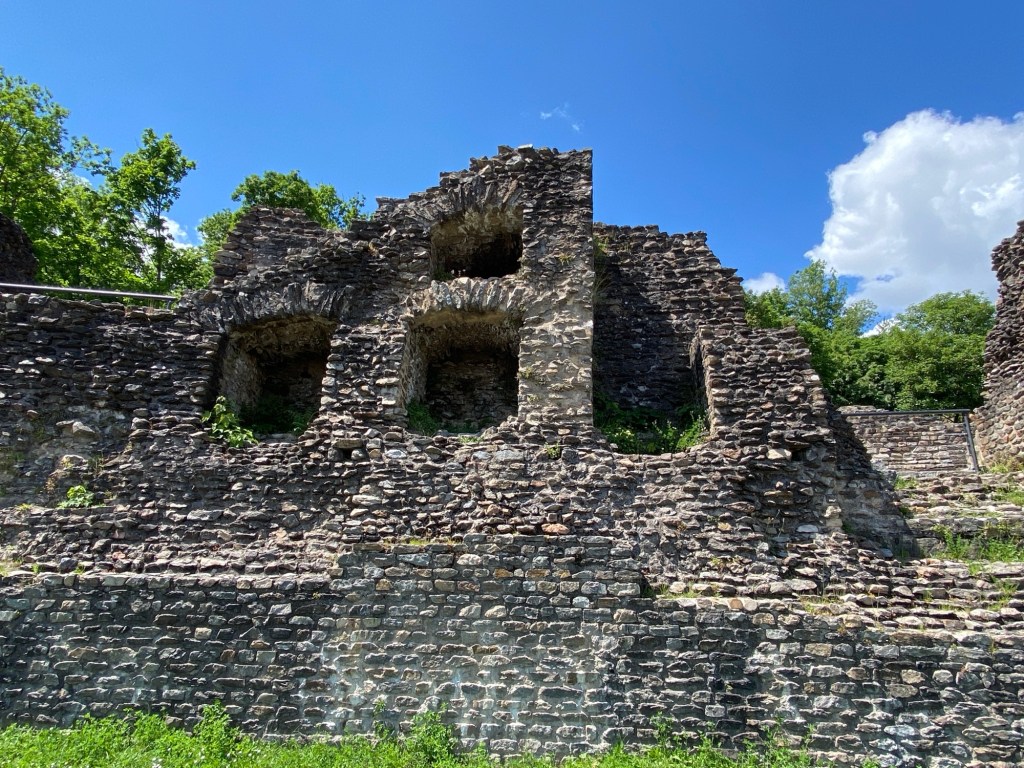
With 10,000 people here for a performance of any sort, there would have been toilets (yes, with flowing water under the seats) and snacks (small shops behind the back rows). A grand villa stood just behind the theater, with proper Roman baths and mosaics on the floors. (They have been moved for protection… more on that later.)
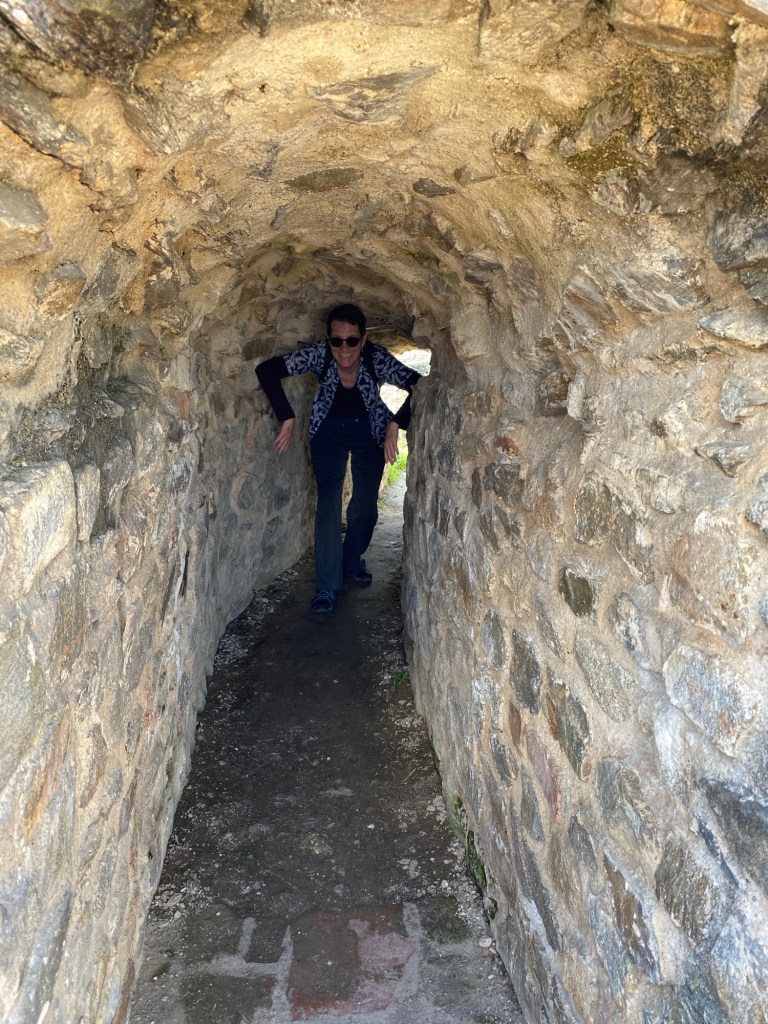
There were even some ancient hidey holes for me to shinny through! I think this conduit probably brought water up the hill. Romans were very clever with pumps and engineering.
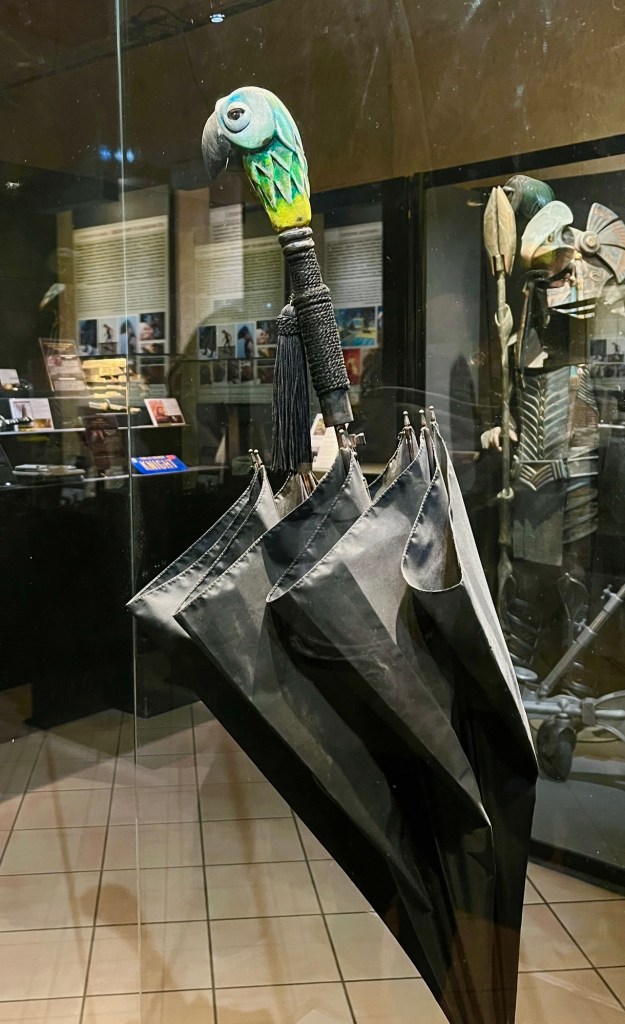
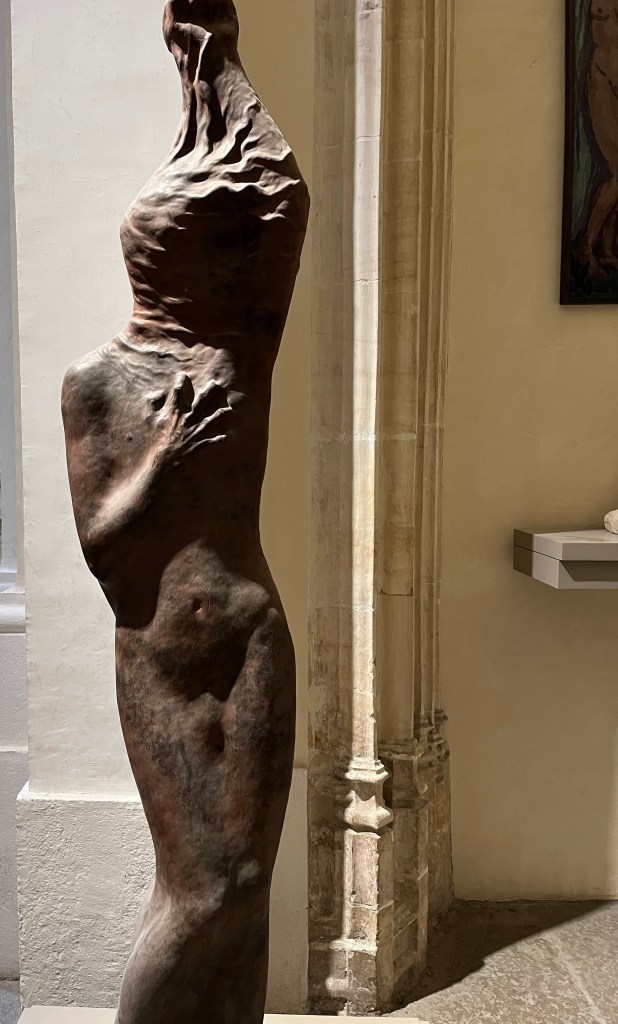
When we had walked and climbed and stared at the grandeur that was here, it was time to, as Bridgett said, “Go see what all this means”. So we went into the Musée.
More on that next time!
Love,
Grandma Judy




















 Dear Liza